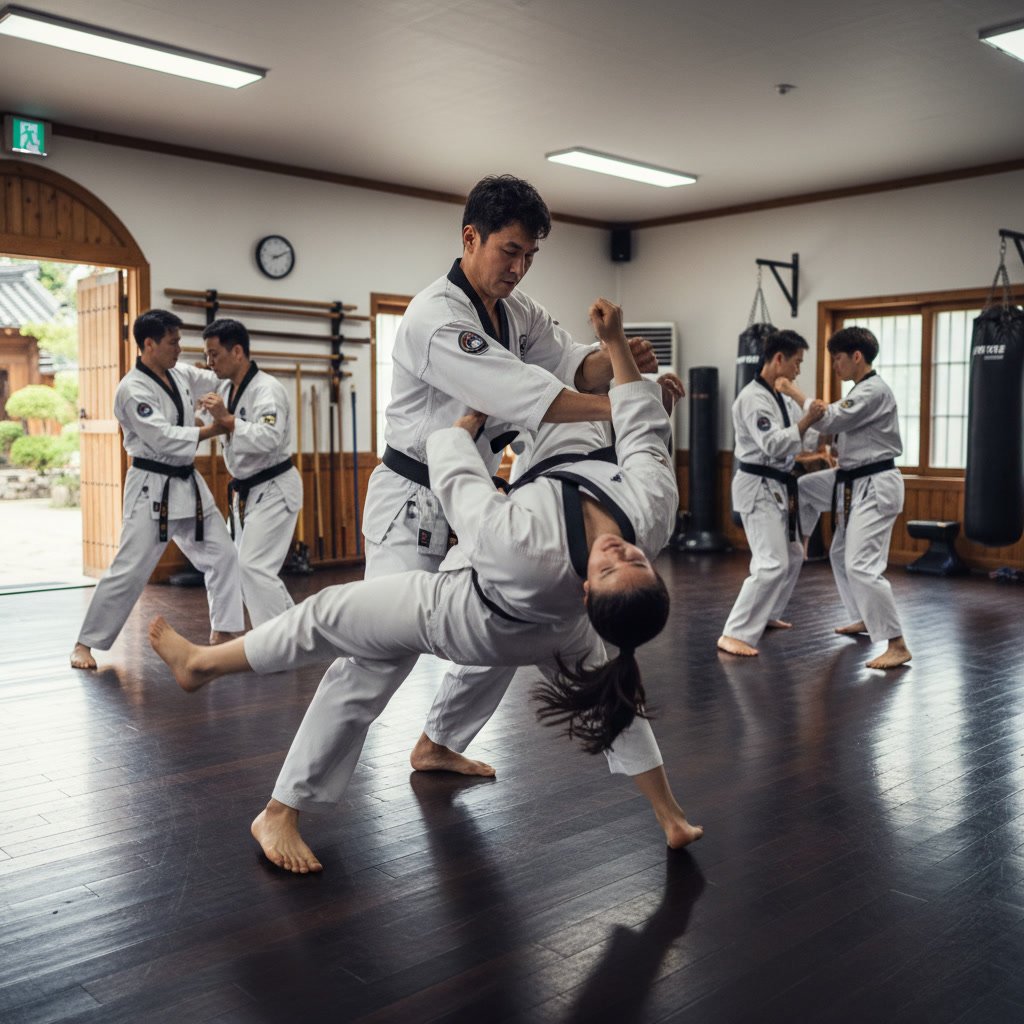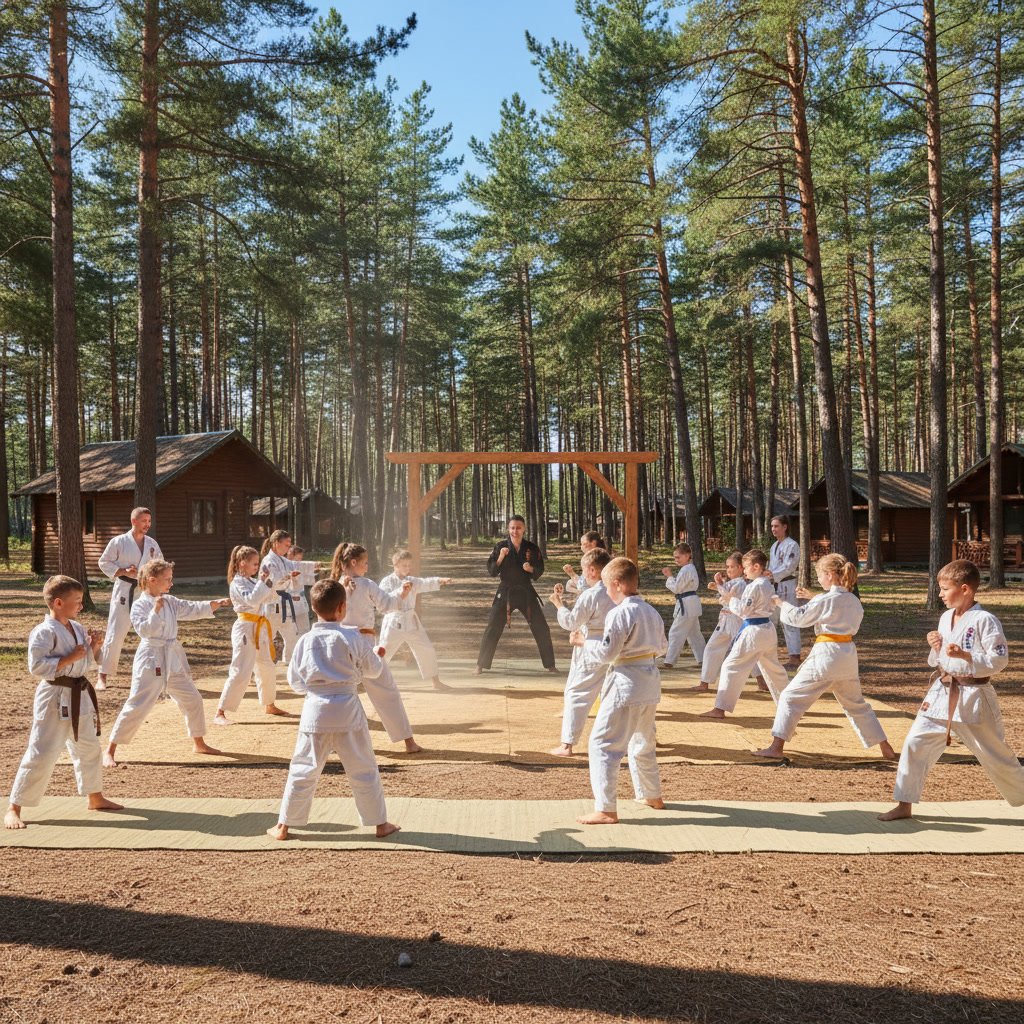

Cardio kickboxing classes combine high-intensity striking techniques with aerobic conditioning to build cardiovascular endurance and stamina that directly translate to improved martial arts performance. Through sustained elevated heart rate intervals, repetitive striking patterns, and dynamic footwork drills, these sessions strengthen the heart, increase oxygen delivery to muscles, and extend the duration athletes can maintain peak performance. The result is martial artists who fight harder, recover faster between rounds, and execute techniques with precision even under fatigue.
Why Cardiovascular Fitness Matters in Martial Arts
Traditional martial arts training develops technical skill, but without proper cardiovascular conditioning, those skills deteriorate rapidly during extended sparring or competition. Your heart and lungs must supply oxygen-rich blood to working muscles continuously. When your cardiovascular system cannot keep pace with demand, technique suffers, reaction time slows, and power output drops.
Martial artists with superior endurance maintain defensive awareness throughout matches. They avoid the mental fog that accompanies oxygen debt. A well-conditioned fighter executes the same crisp combinations in round three that they delivered in round one. This advantage often determines match outcomes when technical skills are evenly matched.
The Science Behind Kickboxing Interval Training
Kickboxing workouts naturally incorporate high-intensity interval training (HIIT) through timed rounds of striking combinations followed by brief rest periods. This structure mirrors actual sparring conditions and triggers specific cardiovascular adaptations. During active rounds, heart rate typically climbs to 75-90% of maximum capacity, forcing the cardiovascular system to adapt and strengthen.
These intervals stimulate mitochondrial growth in muscle cells, which improves the body’s ability to use oxygen for energy production. Over six to eight weeks of consistent training, stroke volume increases, meaning your heart pumps more blood per beat. Resting heart rate typically drops five to ten beats per minute as efficiency improves. These measurable changes directly correlate to better performance during demanding taekwondo sparring sessions.
Five Ways Kickboxing Builds Stamina Faster Than Traditional Cardio
Standard cardio exercises like jogging or cycling build general endurance but lack the specific demands of martial arts. Kickboxing training delivers superior results through these mechanisms:
Full-body recruitment: Every punch, kick, and defensive movement engages multiple muscle groups simultaneously. Unlike isolated cardio, this distributed demand trains your cardiovascular system to support complex, multi-joint movements under fatigue.
Power endurance development: Striking with force repeatedly builds the specific stamina martial artists need. Your muscles learn to generate explosive power while managing lactate buildup that causes burning sensations during intense effort.
Mental conditioning: Pushing through challenging combinations when fatigued builds psychological resilience. This mental toughness transfers directly to competition scenarios when you must perform despite discomfort.
Variable intensity patterns: Unlike steady-state cardio, kickboxing alternates between explosive bursts and active recovery movements. This variability prepares you for the unpredictable pace changes in actual sparring or self-defense situations.
Skill integration: You build endurance while simultaneously refining striking technique, footwork, and defensive patterns. Every training minute serves dual purposes, making time investment more efficient.
How Striking Volume Increases Aerobic Capacity
A typical 45-minute session might include 300 to 500 individual strikes when counting punches, kicks, knees, and elbows across all combinations and drills. This sustained output demands continuous oxygen delivery to shoulder, hip, and core muscles. The cardiovascular system adapts by expanding capillary networks in working muscles, improving nutrient delivery and waste removal.
Research shows that fighters who train striking volume consistently demonstrate VO2 max improvements of 15-20% over 12 weeks. VO2 max measures the maximum oxygen your body can utilize during intense exercise. Higher values correlate directly to better endurance across all martial arts disciplines, from hapkido to competitive sparring.
Training at Jean’s Taekwondo INC in Lakeland
Structured programs at Jean’s Taekwondo INC combine traditional martial arts discipline with modern conditioning science. Classes in Lakeland incorporate progressive overload principles, gradually increasing round duration, strike volume, and intensity as your fitness improves. Instructors monitor form even during fatigue to prevent injury while building capacity.
The cardio program integrates seamlessly with other training components. Students notice endurance gains that enhance performance across all martial arts disciplines taught at the facility.
Recovery Adaptations That Extend Fight Duration
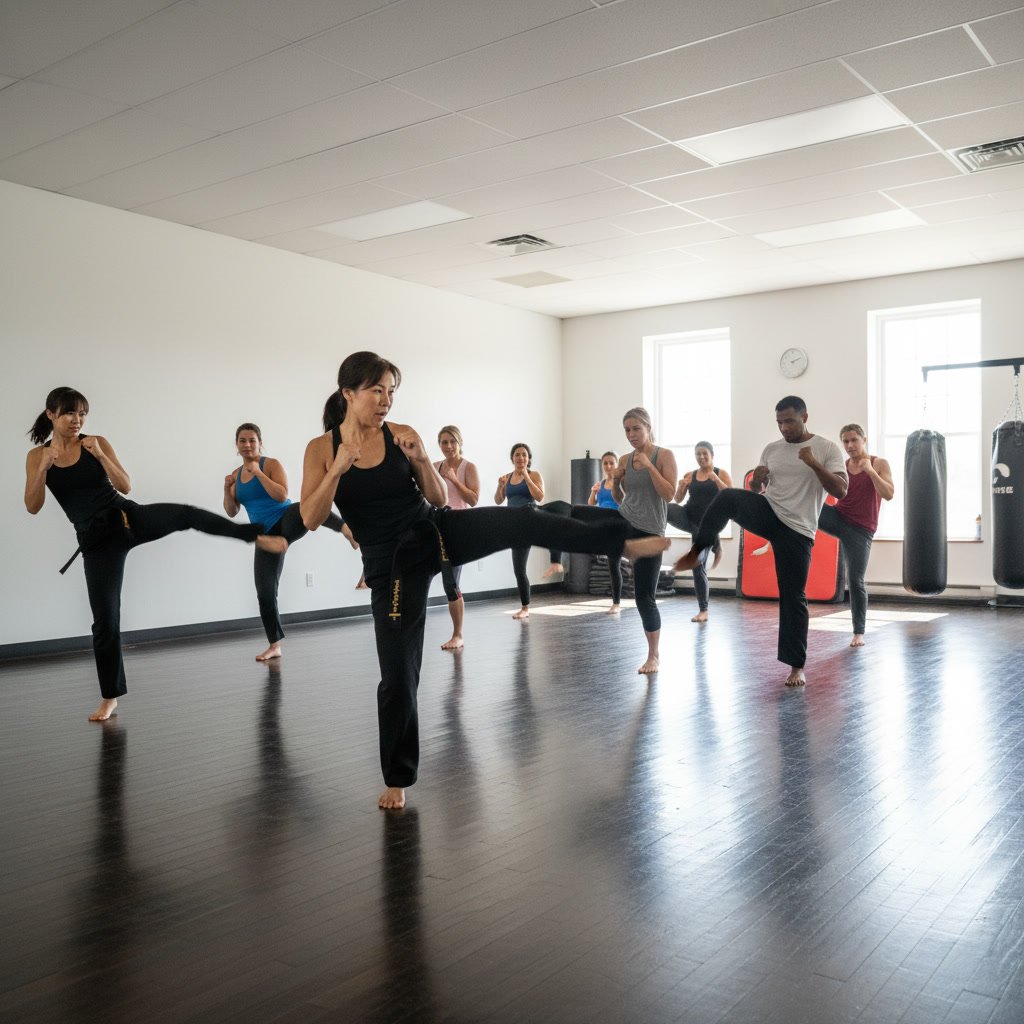
Elite martial artists distinguish themselves not just by avoiding fatigue but by recovering quickly between explosive exchanges. Kickboxing training specifically improves this recovery capacity through repeated exposure to work-rest cycles. Your body learns to clear metabolic waste products faster and restore energy systems more efficiently.
After eight weeks of consistent training, most athletes notice they catch their breath in 30-40 seconds rather than the 60-90 seconds required initially. This faster recovery means you can maintain higher output throughout training sessions and competitions. The ability to surge repeatedly without accumulating debilitating fatigue provides a decisive tactical advantage.
The Role of Breathing Efficiency in Stamina
Proper breathing technique during striking combinations prevents premature fatigue. Many martial artists unconsciously hold their breath during complex sequences, creating artificial oxygen debt. Kickboxing training emphasizes exhaling sharply with each strike, which maintains oxygen flow and prevents tension buildup.
Coordinating breath with movement also stabilizes core muscles, improving striking power and balance. As breathing becomes automatic rather than deliberate, you free mental resources for tactical decision-making during sparring. This seemingly small detail creates substantial performance improvements over time. Similar principles apply across complete self-defense system training where controlled breathing under stress proves essential.
Measuring Progress Through Performance Benchmarks
Objective metrics help track cardiovascular improvements. Count how many quality strikes you execute in three-minute rounds without technique deterioration. Record your heart rate one minute after intense rounds to measure recovery speed. Monitor how long you maintain proper defensive posture during extended drills.
Most beginners can sustain high-quality output for 60-90 seconds before form degrades. After six weeks of dedicated training, that window typically extends to two to three minutes. After 12 weeks, many athletes maintain technical precision through five consecutive three-minute rounds with one-minute rest intervals. These measurable improvements reflect genuine cardiovascular adaptation rather than subjective feelings.
Cross-Training Benefits for Competition Preparation
Fighters preparing for tournaments use kickboxing sessions as strategic cross-training that builds endurance without the joint impact of additional sparring. The variety also prevents mental burnout from repetitive drilling. Athletes report feeling fresher and more motivated when training incorporates different stimulus patterns.
The cardiovascular base built through kickboxing supports skill acquisition in other areas. When learning complex techniques like those found in hapkido joint manipulation sequences, adequate stamina allows longer practice sessions where technique refinement happens.
Long-Term Health Benefits Beyond Martial Arts Performance
The cardiovascular adaptations developed through consistent kickboxing training extend far beyond the martial arts mat. Improved heart efficiency reduces resting blood pressure and decreases risk factors for cardiovascular disease. Enhanced oxygen utilization supports better sleep quality and mental clarity throughout daily activities.
Many adults discover that martial arts conditioning provides more engaging and sustainable fitness than traditional gym workouts. The skill development component maintains interest over years rather than months. Building practical self-defense capability while improving health creates compelling motivation that drives long-term adherence.
Building a Foundation for Lifelong Martial Arts Practice
Cardiovascular endurance and stamina developed through dedicated kickboxing training create the foundation for sustained martial arts practice across decades. These adaptations preserve the ability to train intensely well into middle age and beyond. Athletes who prioritize conditioning alongside technique maintain higher performance levels and experience fewer injuries related to fatigue and compromised form.
The discipline required to push through challenging conditioning sessions builds character that extends beyond physical training. Students develop resilience, time management skills, and goal-setting abilities that improve all life areas. At Jean’s Taekwondo INC, these holistic benefits emerge naturally from committed practice under experienced instruction.
If you want to build the cardiovascular endurance and stamina that separates average martial artists from exceptional ones, structured training makes the difference. The programs at Jean’s Taekwondo INC provide expert coaching, progressive programming, and the supportive environment needed for genuine transformation. Call +18635851952 to learn how our training can enhance your martial arts performance and overall fitness.