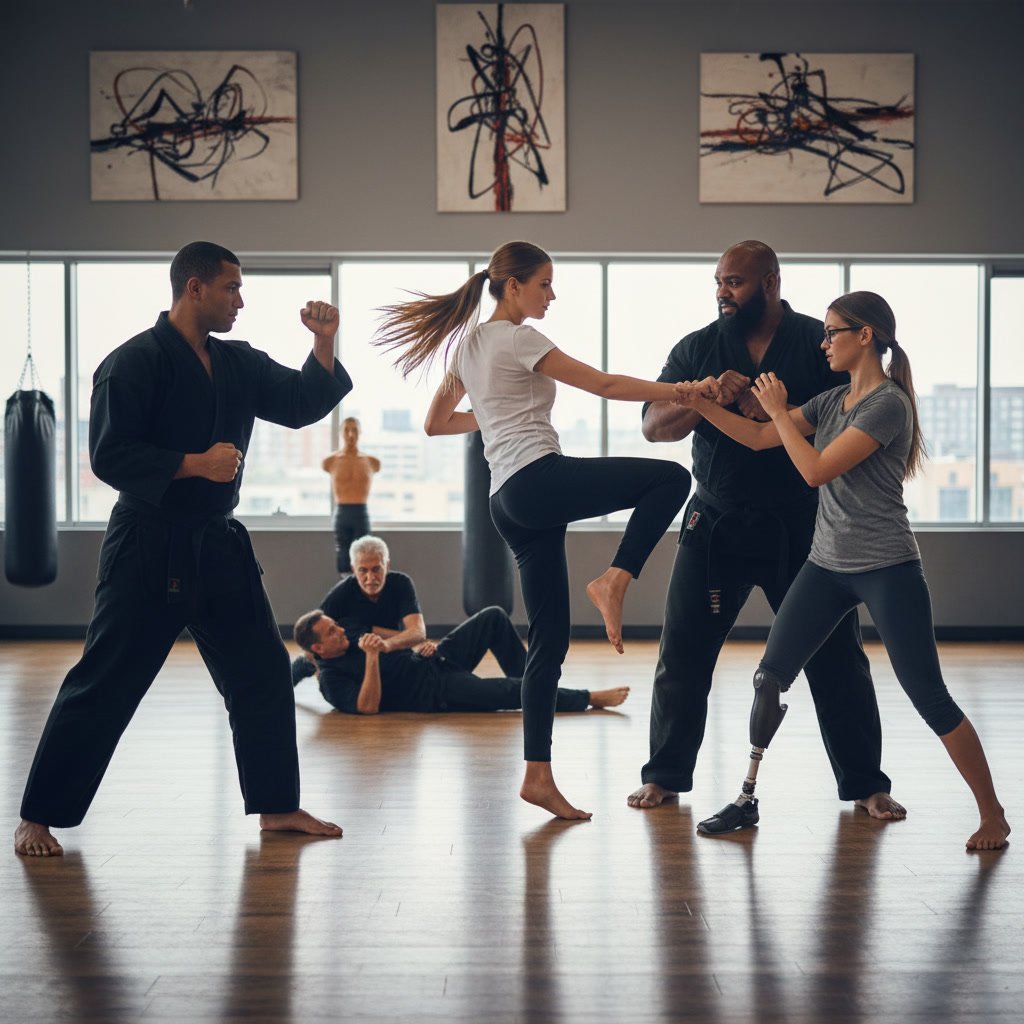
Effective self-defense training recognizes that self defense body types and individual physical capabilities determine which techniques work best in real situations. A complete system adapts core principles to match your height, strength, flexibility, and mobility rather than forcing everyone into identical movements. Instructors modify leverage points, target selection, and defensive strategies so every student develops reliable skills regardless of physical build or fitness level.
Why Body Type Matters in Self-Defense Training
Your physical structure directly influences which defensive techniques you can execute with speed and power. Taller individuals generate reach advantages for strikes and can control distance more effectively. Shorter practitioners often excel at close-range techniques where lower centers of gravity provide superior balance and leverage. Weight distribution, limb length, and joint flexibility all change how you apply the same basic principle.
Traditional martial arts sometimes taught standardized forms without accounting for these differences. Modern training at schools offering a complete self-defense system evaluates each student’s natural attributes and builds techniques around their strengths while addressing vulnerabilities.
The Core Principles That Remain Constant
While execution varies, fundamental self-defense principles apply across all body types. Awareness prevents confrontations before they start. Distance management controls when and how contact occurs. Target selection focuses force on vulnerable areas regardless of your size. Economy of motion eliminates wasted energy in high-stress situations.
These unchanging foundations allow instructors to customize application methods. A 5’2″ student and a 6’4″ student learn the same principle of using an attacker’s momentum against them, but their specific hand positions, footwork patterns, and follow-through movements differ significantly.
Striking Adaptations for Different Physical Builds
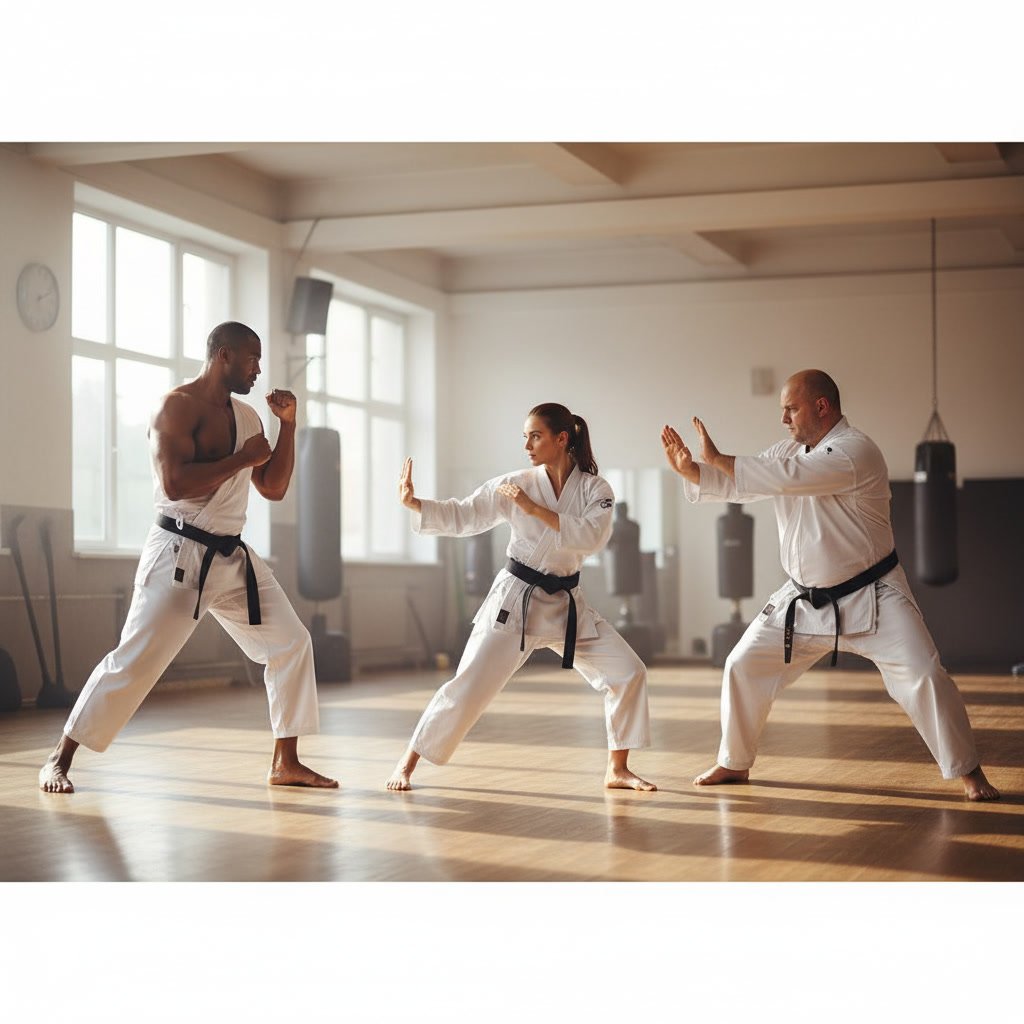
Compact, muscular builds often generate knockout power in short hooks and uppercuts that travel minimal distance. Training emphasizes explosive hip rotation and weight transfer rather than arm extension. Leaner, longer-limbed students develop straight punches, front kicks, and knee strikes that capitalize on reach before an attacker closes distance.
Hand speed varies with muscle fiber composition and nervous system responsiveness. Students with slower hands learn to set up strikes with feints, blocks, and angular footwork. Quick-handed practitioners develop combination sequences that overwhelm opponents through volume and variation. Kickboxing training reveals these natural tendencies and shapes drills accordingly.
Kick selection changes dramatically with hip flexibility and leg strength. High roundhouse kicks require excellent flexibility and balance that not every student possesses initially. Alternative techniques like low shin kicks, stomps to the instep, and knee strikes to the thigh deliver comparable stopping power without demanding extreme range of motion.
Grappling and Close-Range Modifications
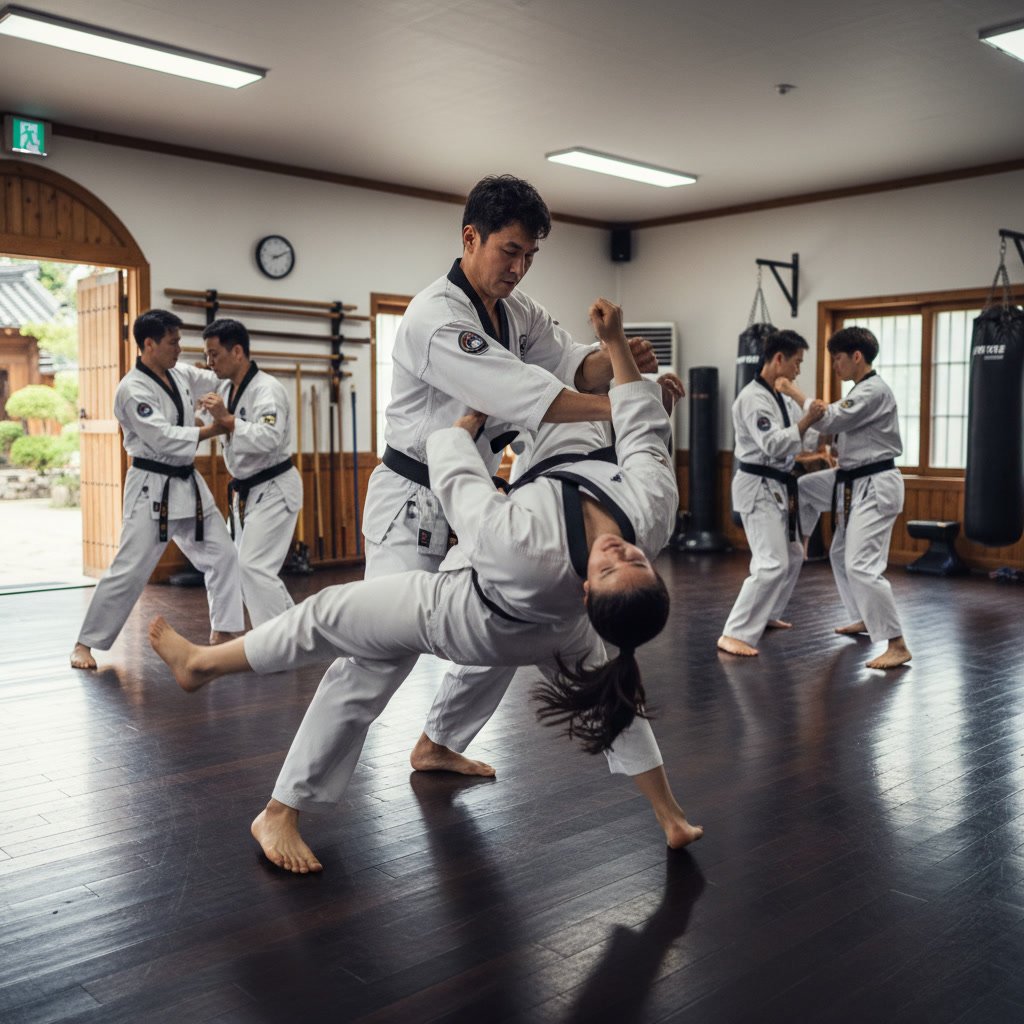
Shorter, stockier builds naturally excel at throws, sweeps, and takedown defenses where low centers of gravity prevent being moved or lifted. Training focuses on entries that get inside an opponent’s reach and maintain positional control. Taller students learn to use frame control with extended arms, create distance after initial contact, and prevent shorter attackers from closing the gap.
Grip strength and arm length determine which joint locks and control holds work effectively. Someone with small hands and short fingers might struggle with certain wrist locks but excel at elbow controls and shoulder manipulation. Instructors identify these limitations early and substitute mechanically similar techniques that match hand size and strength capacity.
The Hapkido curriculum includes dozens of joint manipulation variations precisely because different body proportions require different applications of the same leverage principle.
Escape Techniques for Varied Strength Levels
Physical strength differences between attacker and defender demand technique modifications that emphasize mechanical advantage over raw power. When facing a significantly stronger opponent, escape methods rely on attacking weak points in grips, exploiting skeletal structure, and redirecting force rather than opposing it directly.
A bear hug escape performed by someone with limited upper body strength uses hip movement, weight drops, and strikes to vulnerable targets instead of attempting to pry arms apart. The same escape taught to a stronger student might incorporate arm peels and shoulder rotations that require more force but execute faster.
Students learn at least three variations of each common attack scenario. If the first technique requires strength you don’t possess, the second might use speed, and the third relies purely on timing and positioning. This redundancy ensures you always have options that match your capabilities in the moment.
Training Women in Self-Defense at Jean’s Taekwondo INC in Lakeland
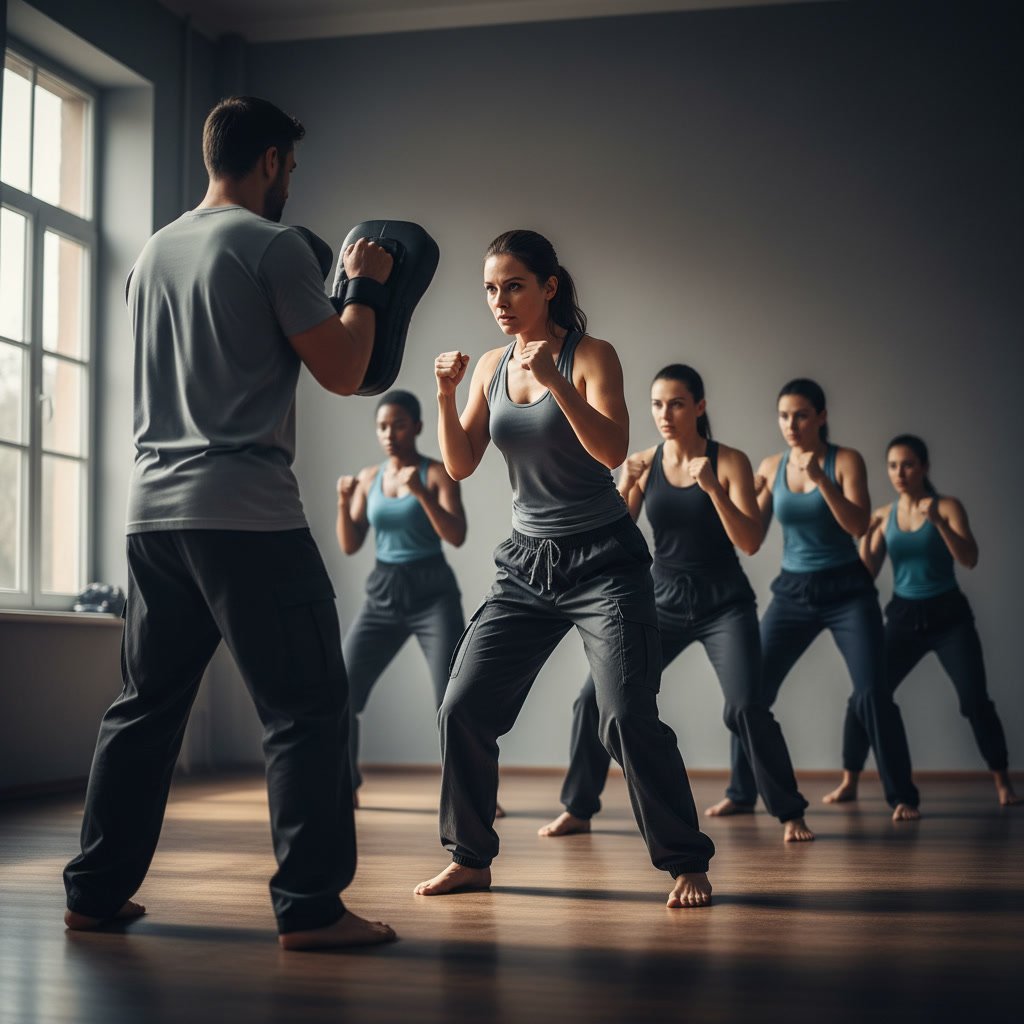
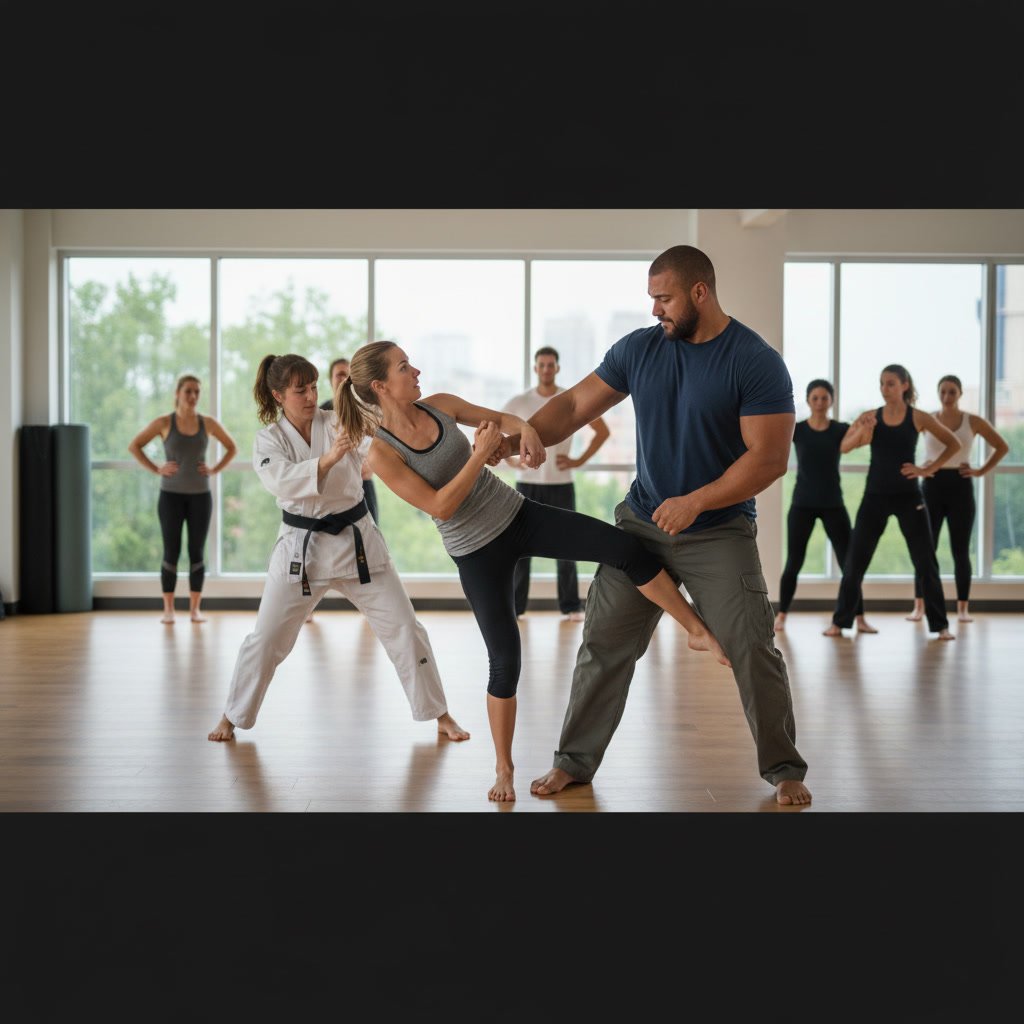
Women typically face attackers with greater upper body strength and weight advantages. Specialized women’s self-defense classes teach techniques that neutralize these disparities through target selection, weapon deployment, and environmental use. Strikes focus on eyes, throat, groin, and knees where size differences matter less than precision.
Voice training develops the confidence to create boundaries and summon help. Many women have been socialized to avoid confrontation, making assertiveness practice as important as physical technique. The supportive training environment builds this mental conditioning alongside physical skills.
Ground defense receives particular emphasis because statistics show many assaults against women involve attempts to control on the ground. Techniques address the specific biomechanics of escaping from underneath a heavier opponent, creating space to strike vulnerable targets, and regaining standing position quickly.
Age and Mobility Considerations in Technique Selection
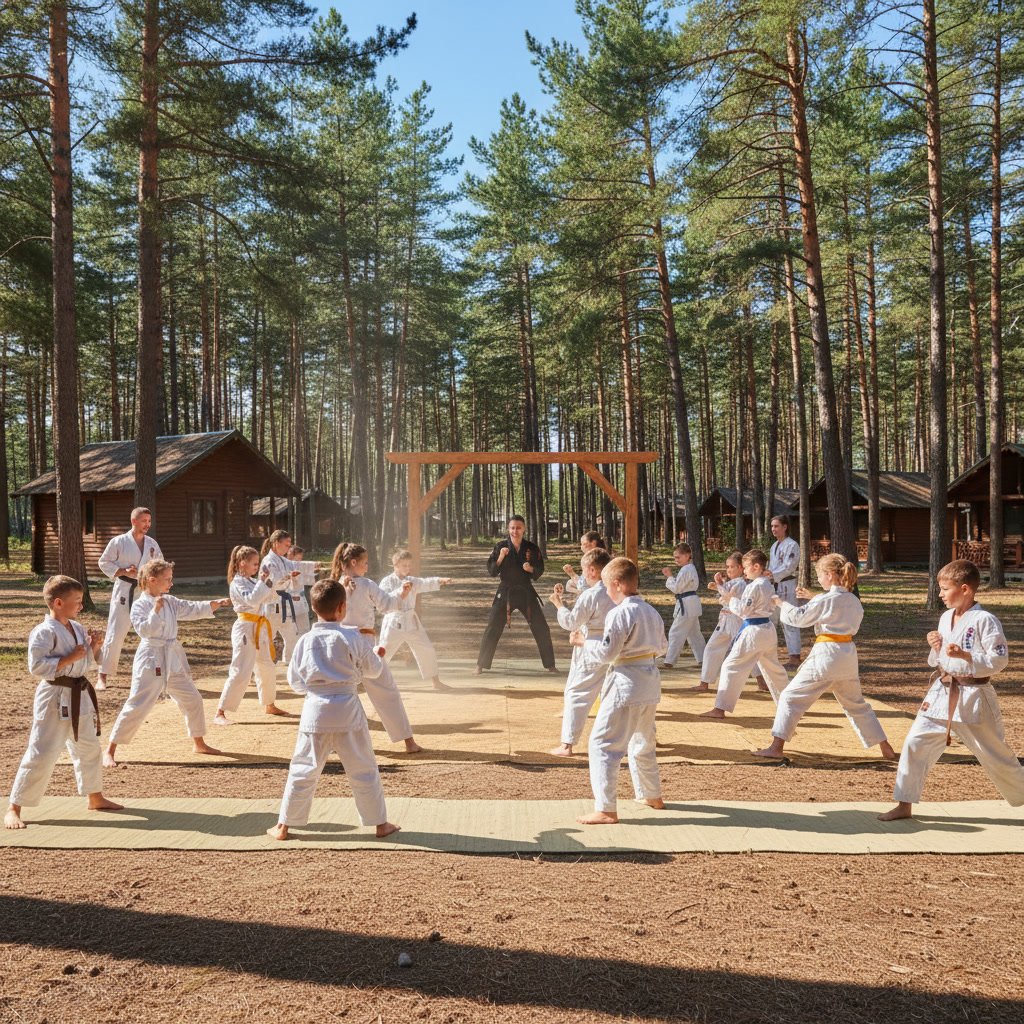
Younger students with developing coordination learn simplified versions of complex techniques. They build foundational movements through games and drills that feel like play but establish proper body mechanics. As coordination improves, instructors layer additional complexity and power generation.
Older adults or those with joint issues, previous injuries, or reduced flexibility receive techniques that avoid high-impact movements. Instead of jumping kicks or rolling falls, training emphasizes stance stability, economical hand strikes, and defense strategies that minimize physical stress while maintaining effectiveness.
Cardiovascular capacity also shapes training intensity and technique selection. Cardio conditioning gradually builds endurance, but instructors immediately provide effective techniques that work within current fitness levels. A defensive strategy requiring 15 seconds of explosive movement differs significantly from one demanding three minutes of continuous grappling.
Speed Versus Power: Playing to Individual Strengths
Some students naturally move with blinding speed but generate limited power per strike. Others move more deliberately but deliver devastating force. Rather than forcing everyone toward an artificial middle ground, effective instruction builds on existing attributes.
Fast movers develop hit-and-move strategies, combination striking that creates openings through volume, and evasive footwork that frustrates opponents. Training emphasizes reading tells, exploiting reaction gaps, and maintaining energy efficiency across extended exchanges.
Power-focused students learn to set up single decisive strikes through positioning, timing, and distance control. They develop the patience to wait for optimal openings rather than chasing opponents or throwing speculative techniques. Feints, cuts, and angles create situations where one well-placed strike ends the confrontation.
Understanding your natural tendency helps you apply techniques in real situations where hesitation or wrong technique selection creates danger.
The Role of Sparring in Finding What Works for You
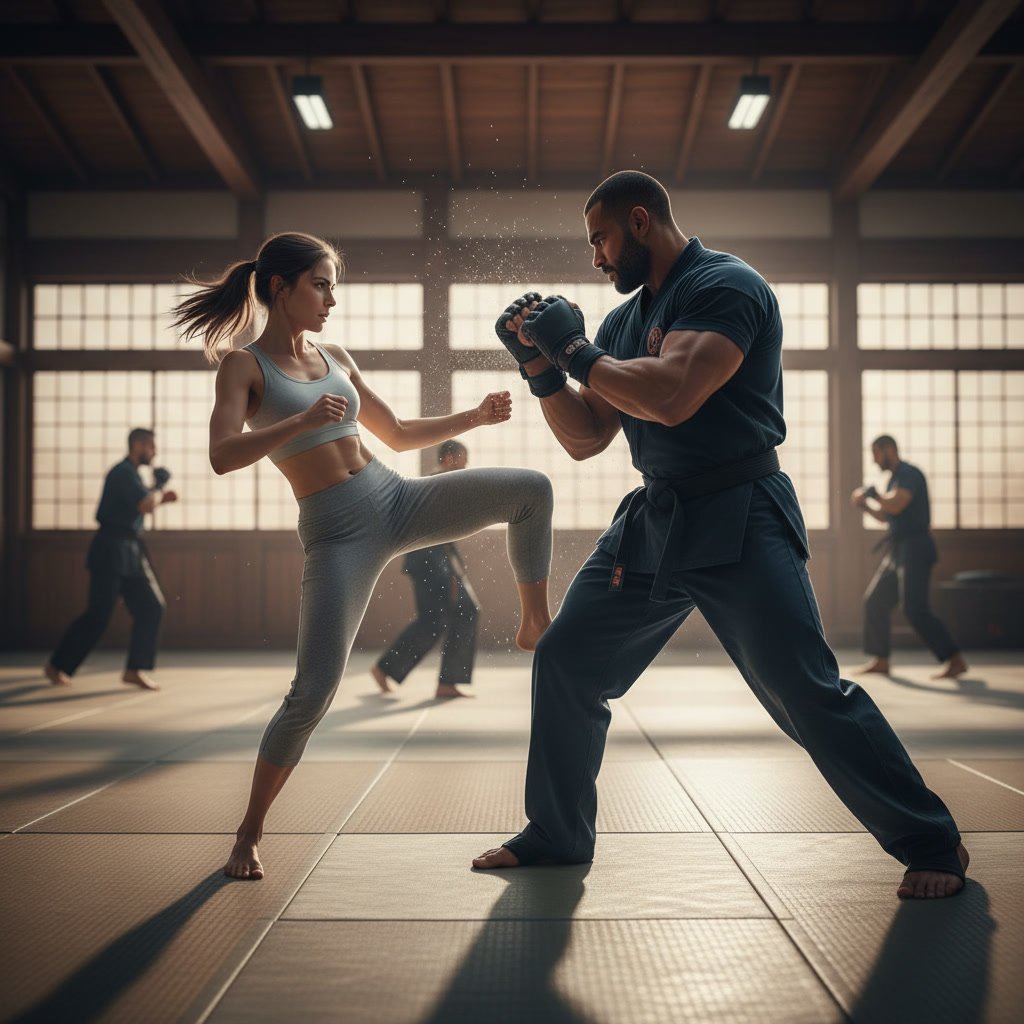
Controlled sparring reveals which techniques actually function under pressure for your specific body and skill level. What looks perfect in a mirror or works smoothly with a compliant partner might fail completely against resistance. Regular sparring at progressively higher intensity levels identifies these gaps.
Students discover that their favorite techniques and their most effective techniques often differ. Sparring forces honest assessment of what produces results versus what feels comfortable. Instructors observe these patterns and guide students toward high-percentage options that match their natural movement and decision-making under stress.
The sparring curriculum in Taekwondo classes introduces contact gradually, allowing students to build confidence and test techniques without overwhelming fear or injury risk. Protective equipment and controlled environments let you push boundaries safely.
Building Customized Defensive Strategies
Your complete self-defense plan combines preferred techniques into a coherent strategy that addresses likely threats. Someone who spends evenings running alone needs different skills than someone who works late shifts in retail environments. Body type influences which options you train most intensively within that threat profile.
A smaller person’s strategy might prioritize awareness and avoidance, then progress to verbal de-escalation, environmental weapons, and only physical techniques as last resort. A larger, stronger individual might include more direct confrontation options earlier in the decision tree because physical advantages make certain techniques lower risk.
Instructors help students think through realistic scenarios specific to their lives and bodies. This practical application ensures training time focuses on high-value skills rather than flashy techniques that don’t match your physical reality or daily risk exposure.
Your Path to Effective Personal Protection
Adapting self-defense techniques to individual body types and abilities ensures every student develops reliable skills rather than struggling with standardized methods that ignore physical reality. The combination of unchanging principles and flexible application creates training that works for your specific attributes and circumstances.
Jean’s Taekwondo INC provides personalized instruction that identifies your natural strengths and builds defensive capabilities around how your body actually moves. Whether you’re looking for traditional martial arts discipline or practical protection skills, the experienced instructors adapt techniques to match your goals and physical characteristics. Call +18635851952 to schedule an introductory session and discover how complete self-defense training adapts to you.