
A complete self defense system integrates physical techniques, mental conditioning, and situational awareness to prepare you for real-world threats. Unlike single-discipline martial arts that focus solely on strikes or grappling, a comprehensive approach teaches you to recognize danger early, de-escalate when possible, and respond with appropriate force when necessary. The training builds automatic responses that work under stress, when your heart rate spikes and fine motor skills deteriorate.
Why Single-Technique Training Falls Short in Real Encounters
Most attackers do not follow the rules of a dojo or competition mat. They strike without warning, grab from behind, or use weapons. Training in only one aspect of combat leaves dangerous gaps. A pure striking system offers no answer when someone tackles you to the ground. A grappling-only approach becomes risky when multiple attackers are involved or when you need to create distance quickly.
Real violence happens fast and chaotic. Adrenaline floods your system within seconds. Your vision narrows, your hearing muffles, and complex techniques you practiced in calm conditions become impossible to execute. Effective training must account for this stress response and build skills that remain accessible when your brain shifts into survival mode.
The Three Pillars of Effective Real-World Defense
Comprehensive training stands on three foundations: awareness, de-escalation, and physical response. Awareness means reading body language, recognizing pre-attack indicators, and understanding how predators select victims. Most violent encounters can be avoided entirely when you spot the warning signs early and remove yourself from the situation.
De-escalation involves verbal skills and body positioning that defuse tension before it turns physical. Your tone, posture, and words can stop a confrontation that might otherwise require a physical response. This skill protects you legally and physically, as avoiding a fight is always safer than winning one.
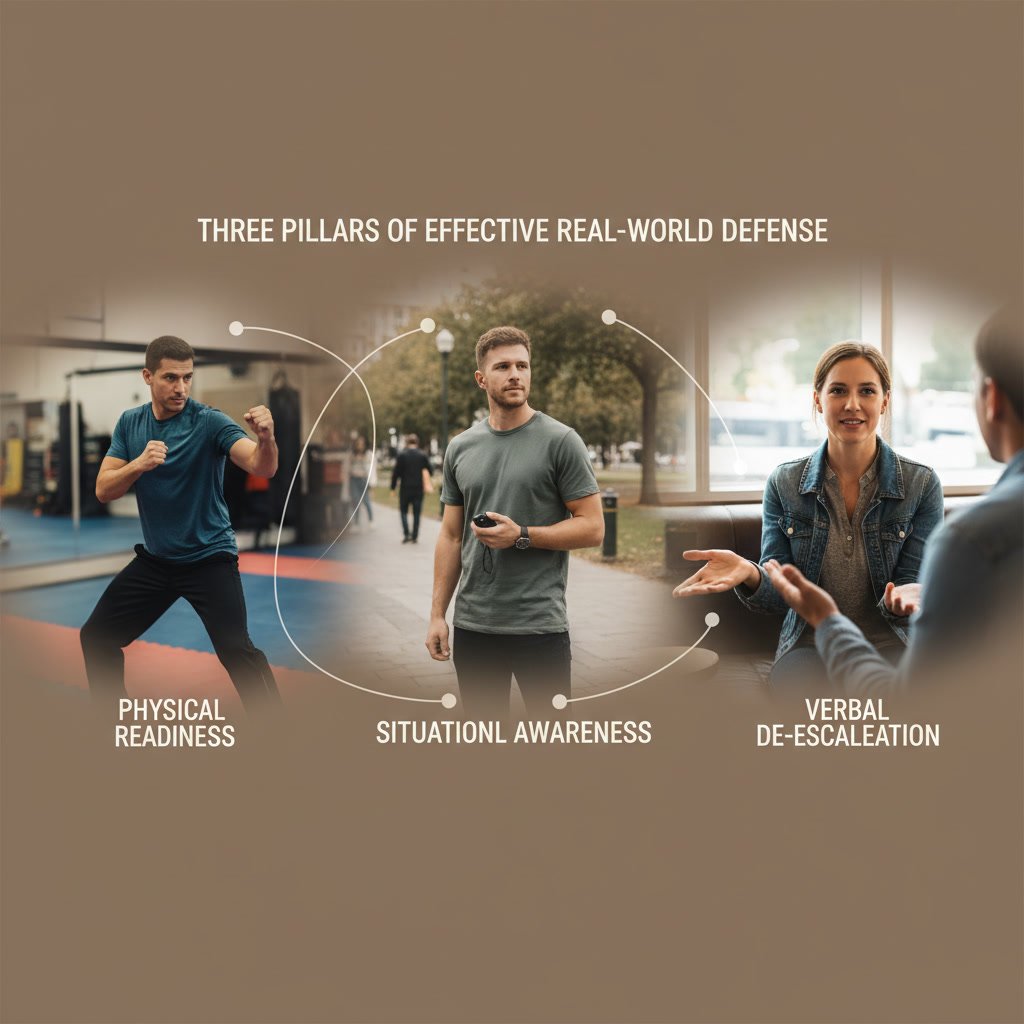
Physical response comes last, but it must cover all ranges of combat. You need tools for long-range striking, close-quarters clinch work, and ground defense. Each range requires different techniques, and real fights move unpredictably between all three. Training must prepare your body to transition smoothly as distance changes.
How Layered Training Builds Automatic Responses
Repetition creates muscle memory, but only when practiced correctly under progressively realistic conditions. You begin by learning techniques slowly, focusing on proper form and mechanics. As movements become familiar, you add speed, then resistance, then unpredictability. Eventually, you train against fully resisting partners who do not cooperate or follow expected patterns.
This layered approach mirrors how your brain stores information. Simple repetition builds neural pathways. Adding stress and variability strengthens those pathways and teaches your nervous system to access them under pressure. When someone grabs your wrist in a parking lot, you do not think through the steps of your release technique. Your body simply executes it because you have trained the response hundreds of times in similar conditions.
Striking and Kickboxing for Distance Management
Effective striking teaches you to generate power from your legs and hips, not just your arms. A proper punch delivers force through your entire body structure, making it effective even against larger opponents. Kickboxing adds leg strikes that keep attackers at a safer distance and target vulnerabilities below the waist that are harder to defend.
Distance management is the real skill here. You learn to control the space between you and a threat, moving to maintain the range where your tools work best. If someone tries to close distance, you either create space with footwork and strikes, or you transition to close-range tools before they can overwhelm you.
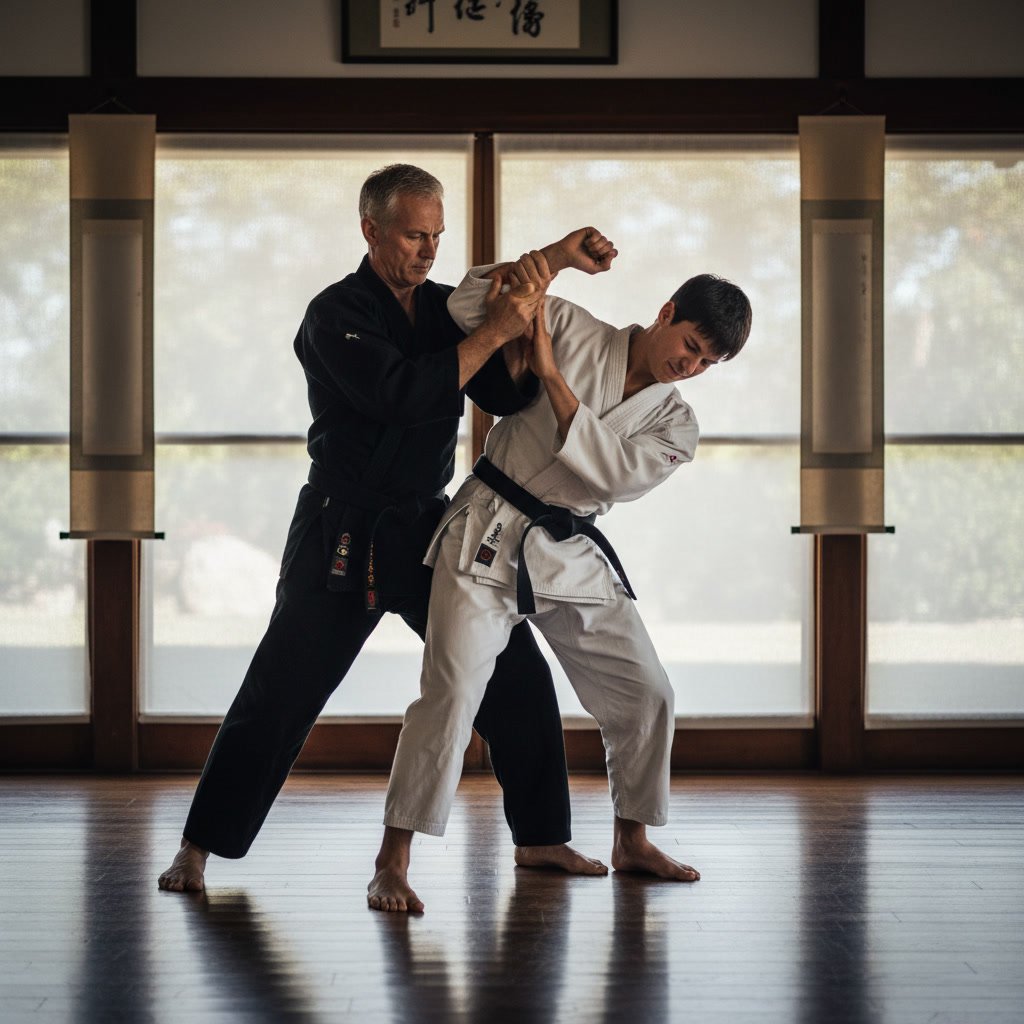
Hapkido Joint Locks and Control Techniques
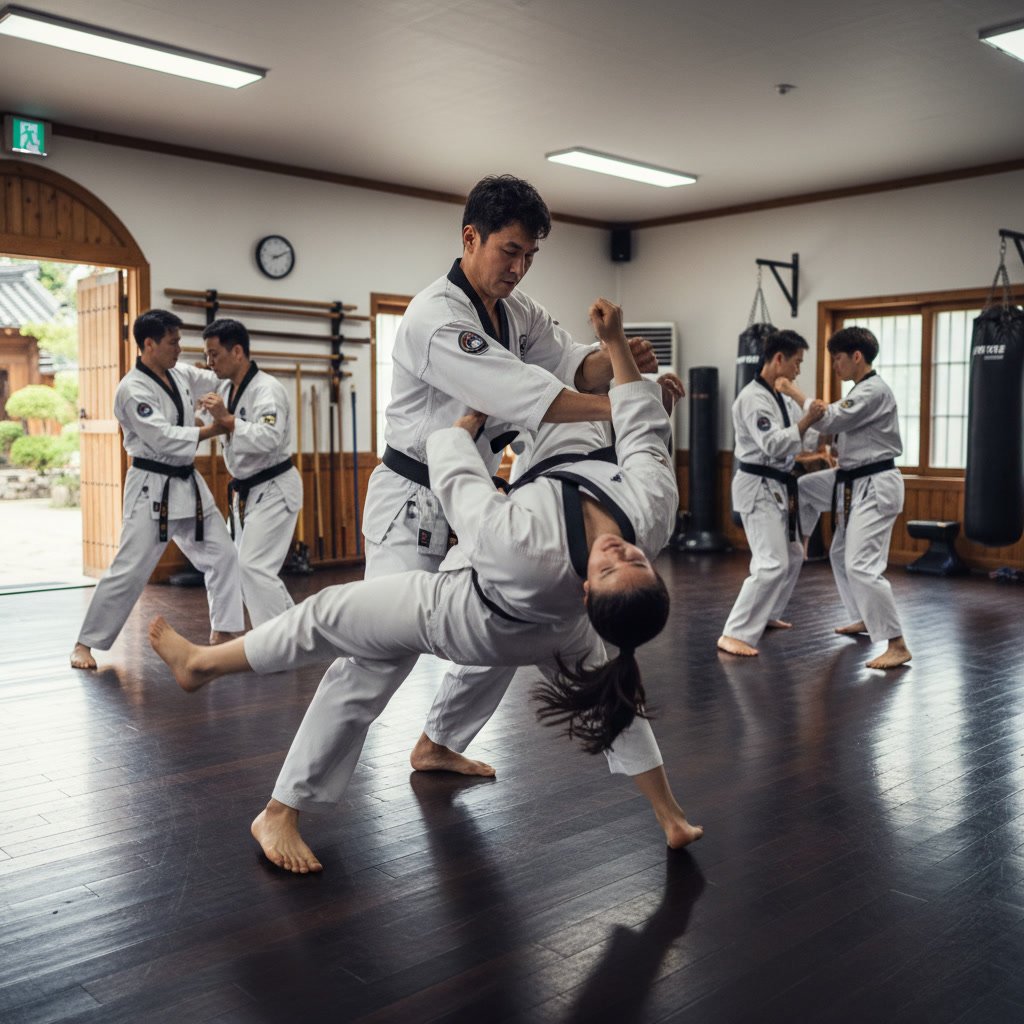
When distance collapses or you need to control someone without causing serious injury, joint manipulation and leverage techniques become essential. Hapkido teaches you to redirect an opponent’s force, using their momentum and body mechanics against them. A wrist lock can control someone much larger by attacking the weak points in skeletal structure where size offers no advantage.
These techniques also provide options for dealing with non-lethal threats where full striking might be excessive or legally problematic. Controlling a drunk relative or restraining someone until help arrives requires different tools than defending against a violent assault. A well-rounded system gives you choices appropriate to the level of threat you face.
Ground Defense and Escape Strategies
Statistics show that many physical altercations end up on the ground, whether through tackles, slips, or throws. If you cannot function on the ground, you become helpless in these situations. Ground defense training teaches you to protect vital areas, create space, and return to your feet as quickly as possible.
The goal is not to become a ground-fighting specialist. In real situations, the ground is dangerous. Hard surfaces cause injuries, multiple attackers can kick you, and weapons become easier to deploy. Your training should focus on survival and escape, not submission techniques designed for one-on-one sport matches. You learn to cover up, avoid being pinned, and regain your feet where your mobility and other tools become available again.
Mental Conditioning and Stress Inoculation
Physical techniques fail when panic takes over. Mental conditioning teaches you to recognize your stress response, control your breathing, and maintain enough cognitive function to make decisions under pressure. This training happens gradually, exposing you to increasing levels of stress in controlled environments.
Scenario-based drills replicate the chaos and surprise of real encounters. Partners attack from unexpected angles, use verbal aggression, or create distractions. You learn to process multiple inputs simultaneously and respond to what actually happens rather than what you expected. This preparation dramatically reduces the shock and freeze response that leaves untrained people helpless when violence erupts.
Women-Specific Considerations in Self Defense Training
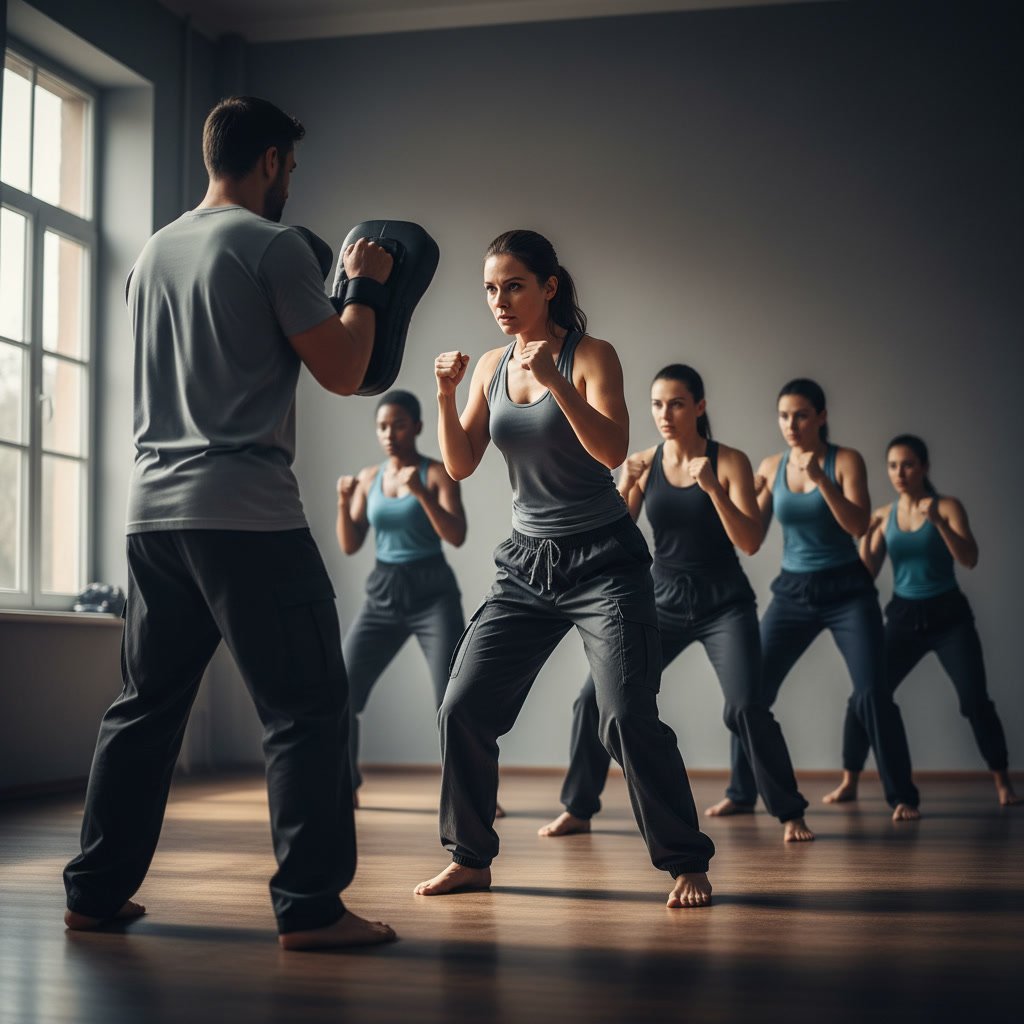
Women face different statistical threats than men and often encounter attackers who are larger and stronger. Effective training acknowledges these realities without creating fear or helplessness. The focus shifts to high-percentage techniques that work against larger opponents, targeting vulnerable areas like eyes, throat, and groin that are not protected by muscle mass.
Women-specific training also addresses common attack scenarios including grabs, chokes, and situations where the attacker is known rather than a stranger. Building confidence through realistic practice in a supportive environment helps women develop the voice, awareness, and physical skills that together create a complete defensive capability.
Training Options for Families in Surrounding Areas Winter Haven
Access to quality instruction makes the difference between theoretical knowledge and practical skill. Programs that serve families in the Winter Haven area offer structured curricula that build skills progressively, ensuring students master fundamentals before advancing to complex techniques.

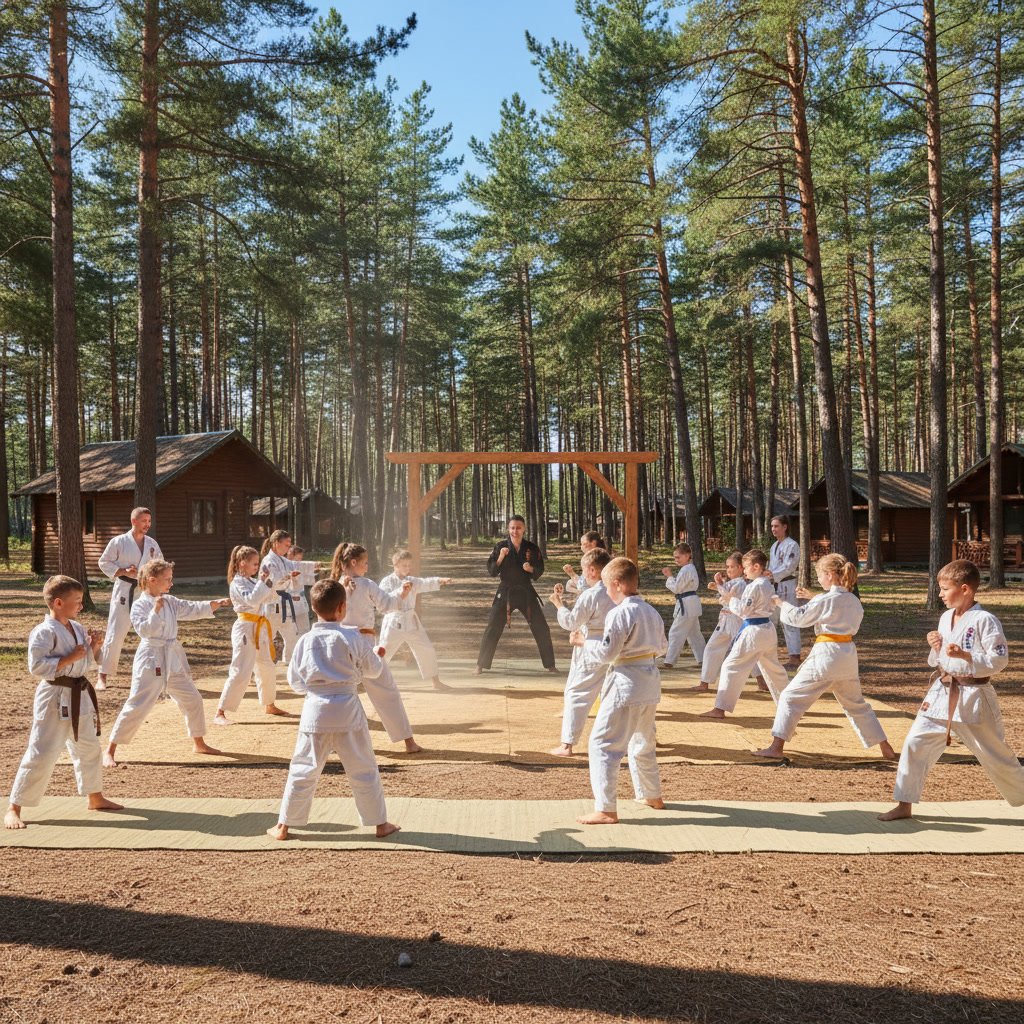
After school and summer programs provide consistent training schedules that build discipline alongside physical skills. Regular practice prevents skill decay and allows instructors to correct bad habits before they become ingrained. Children and adults alike benefit from the structure and community that quality martial arts schools provide.
Measuring Progress and Maintaining Skills
Self defense is a perishable skill. Without regular practice, your reaction time slows and techniques become sloppy. Structured programs use belt systems or similar progressions to mark advancement and maintain motivation. These milestones provide concrete goals and ensure you continue expanding your capabilities rather than plateauing.
Testing under pressure reveals gaps in your training. Sparring, scenario drills, and belt examinations create enough stress to simulate portions of real encounters. When you successfully execute techniques while fatigued, surprised, or facing resistance, you build genuine confidence in your abilities. This confidence changes how you carry yourself, often deterring potential attackers before situations escalate.
Building Long-Term Defensive Capability
Real preparedness comes from consistent training over months and years, not weekend seminars or crash courses. A complete approach integrates Taekwondo striking, Hapkido control techniques, kickboxing combinations, and mental conditioning into a unified skillset. Each component supports the others, creating a defensive capability that adapts to whatever situation you face.
The cardio conditioning that comes with regular training improves your ability to sustain effort during a physical encounter. When an attacker expects you to tire quickly, your superior fitness becomes a tactical advantage. The discipline and focus developed through martial arts training carry into other areas of life, improving decision-making and stress management beyond self defense applications.
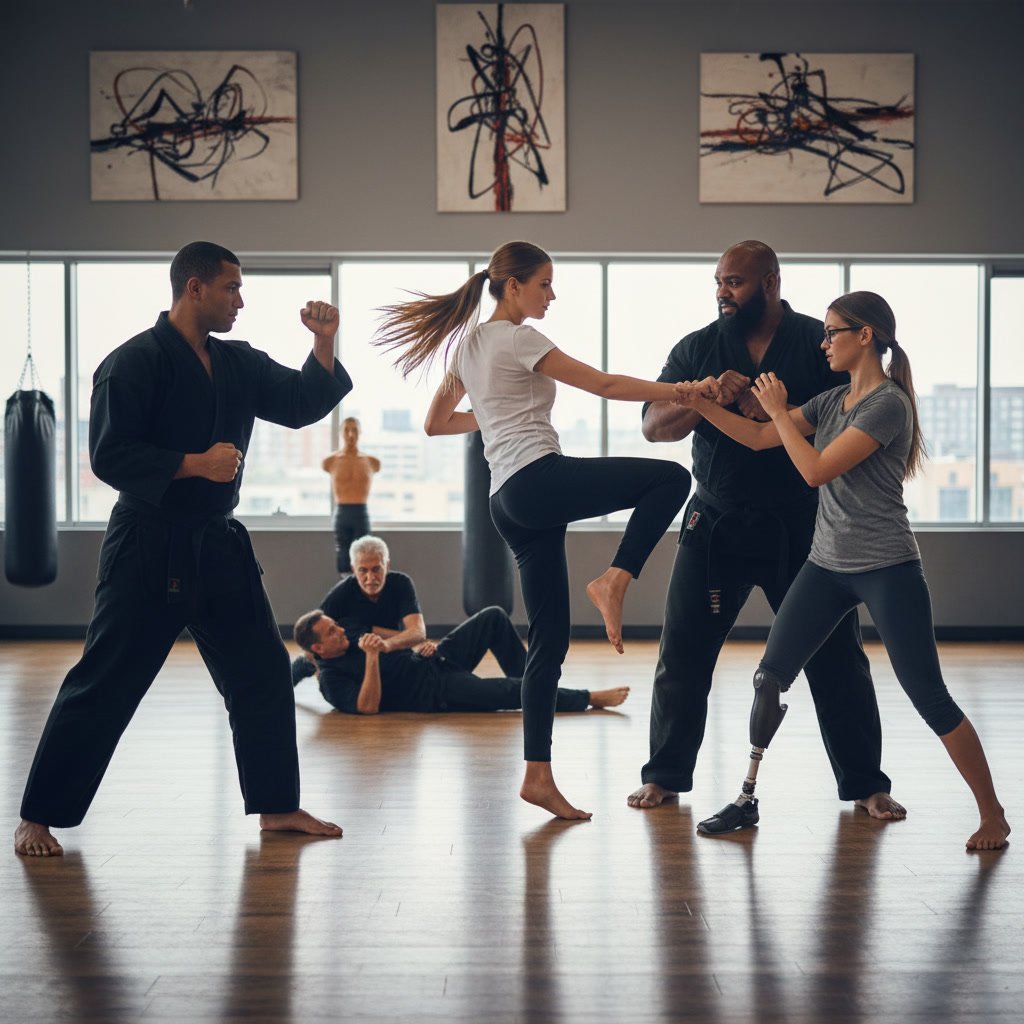
Jean’s Taekwondo INC has built comprehensive programs that address the full spectrum of self defense needs for students of all ages and abilities. The instructors understand that effective training must prepare you for real-world violence while building the awareness and confidence that help you avoid confrontations entirely.
If you are ready to develop practical skills that work when it matters most, training starts with a single class. Reach out to Jean’s Taekwondo INC at +18635851952 to learn about programs that fit your schedule and goals. Building your defensive capability begins with taking that first step.