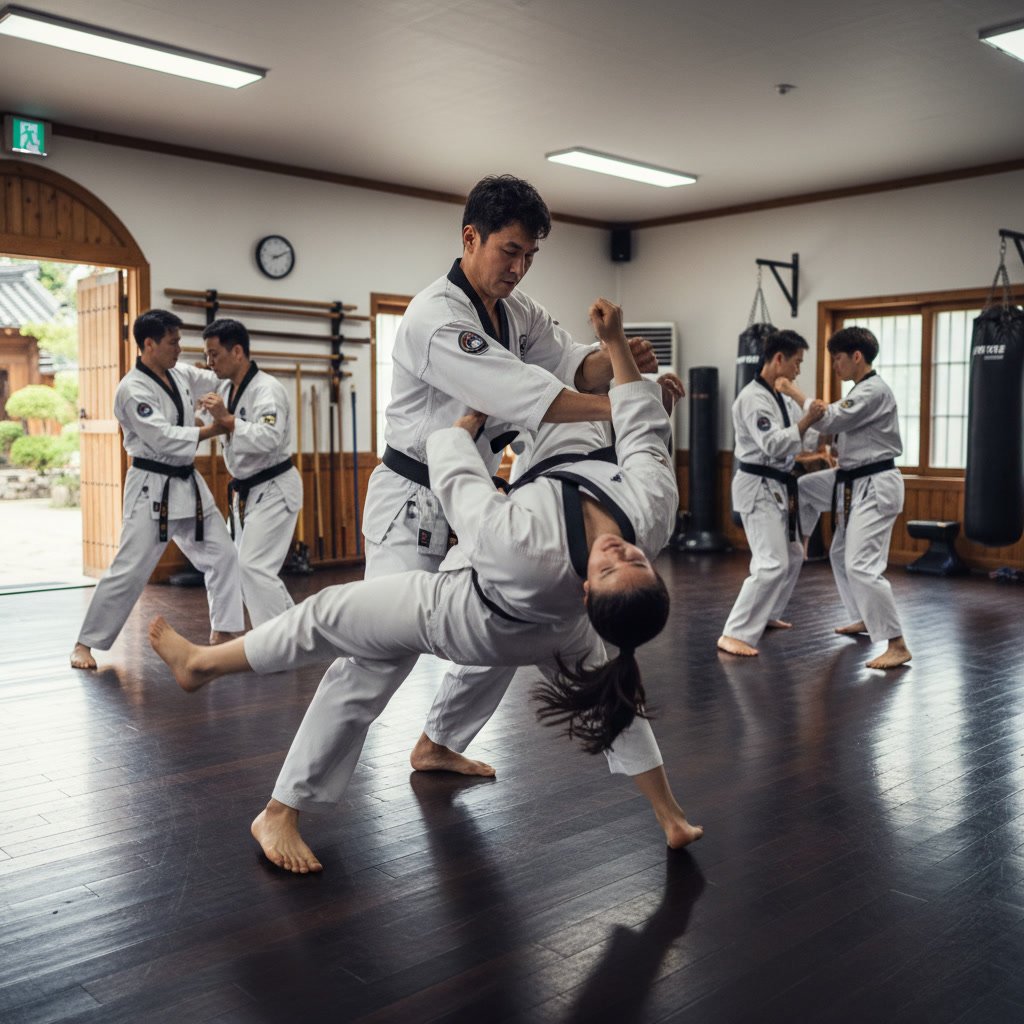

The most effective self defense begins long before any physical technique is needed. Complete self defense systems prioritize mental preparation and environmental scanning as foundational skills, teaching students to identify potential threats before they escalate. This approach to situational awareness self defense transforms how you move through the world, building confidence through preparedness rather than fear.
Why Mental Training Forms the Foundation of Protection
Physical techniques alone create a false sense of security. Without the ability to recognize danger signals early, even advanced martial artists can find themselves caught off guard. The mind processes environmental cues constantly, but most people ignore the warning signs their instincts provide.
A complete self-defense system trains this innate awareness into a reliable skill. Students learn to trust their intuition while adding structured observation methods that work under stress. This dual approach creates defenders who can assess situations accurately and respond appropriately.
The Color Code System That Sharpens Your Awareness
Professional security personnel use a simple framework to maintain vigilance without exhaustion. The Cooper Color Code divides awareness into four levels: white, yellow, orange, and red. Each represents a different state of attention and readiness.
White means completely unaware, absorbed in your phone or thoughts. Yellow indicates relaxed alertness, scanning your environment without paranoia. Orange signals focused attention on a specific potential threat. Red means immediate danger requiring action. Training moves you from living in white to maintaining yellow as your baseline state.

How Your Brain Recognizes Danger Before You Consciously Know
The human nervous system evolved to detect threats through pattern recognition. Your subconscious mind processes thousands of environmental details every second, flagging anomalies that don’t match safe patterns. That uncomfortable feeling when something seems wrong is your brain’s early warning system.
Effective training strengthens this connection between instinct and conscious thought. Women self-defense courses emphasize trusting these gut feelings, teaching students that politeness never outweighs personal safety. The goal is reducing the delay between sensing danger and taking protective action.
Five Observable Pre-Attack Indicators You Can Spot
Potential attackers often display recognizable behaviors before violence occurs. Recognizing these patterns provides critical seconds to escape or prepare.
Interview questions are verbal attempts to select a target and establish vulnerability. A stranger asking unnecessary questions about where you’re going or if you’re alone is testing your awareness and compliance.
Invasion of personal space without social justification signals predatory behavior. Most people maintain comfortable distances during normal interaction. Aggressive closing of distance is a dominance tactic.
Blocking your path or positioning to cut off escape routes reveals intent. Criminals use terrain and positioning to trap victims before initiating attacks.
Scanning for witnesses indicates someone preparing to act unlawfully. Repeated glances around an area show concern about being observed or interrupted.
Concealing hands or reaching into clothing can precede weapon deployment. Visible, open hands signal peaceful intent. Hidden hands may conceal weapons or prepare for striking.
Building Awareness Through Structured Observation Drills
Passive awareness develops slowly through general experience. Active training accelerates the process through specific exercises that build observation skills deliberately. Jean’s Taekwondo INC incorporates these drills into regular classes, creating habits that transfer outside the training environment.
One fundamental exercise involves entering a room, observing for 30 seconds, then describing exits, occupants, and potential improvised weapons. This trains the automatic scanning pattern security professionals use. Another drill has students walk a familiar route while identifying three new details they’ve never noticed before, building the habit of active observation.
Teaching Situational Awareness to Students in Lakeland
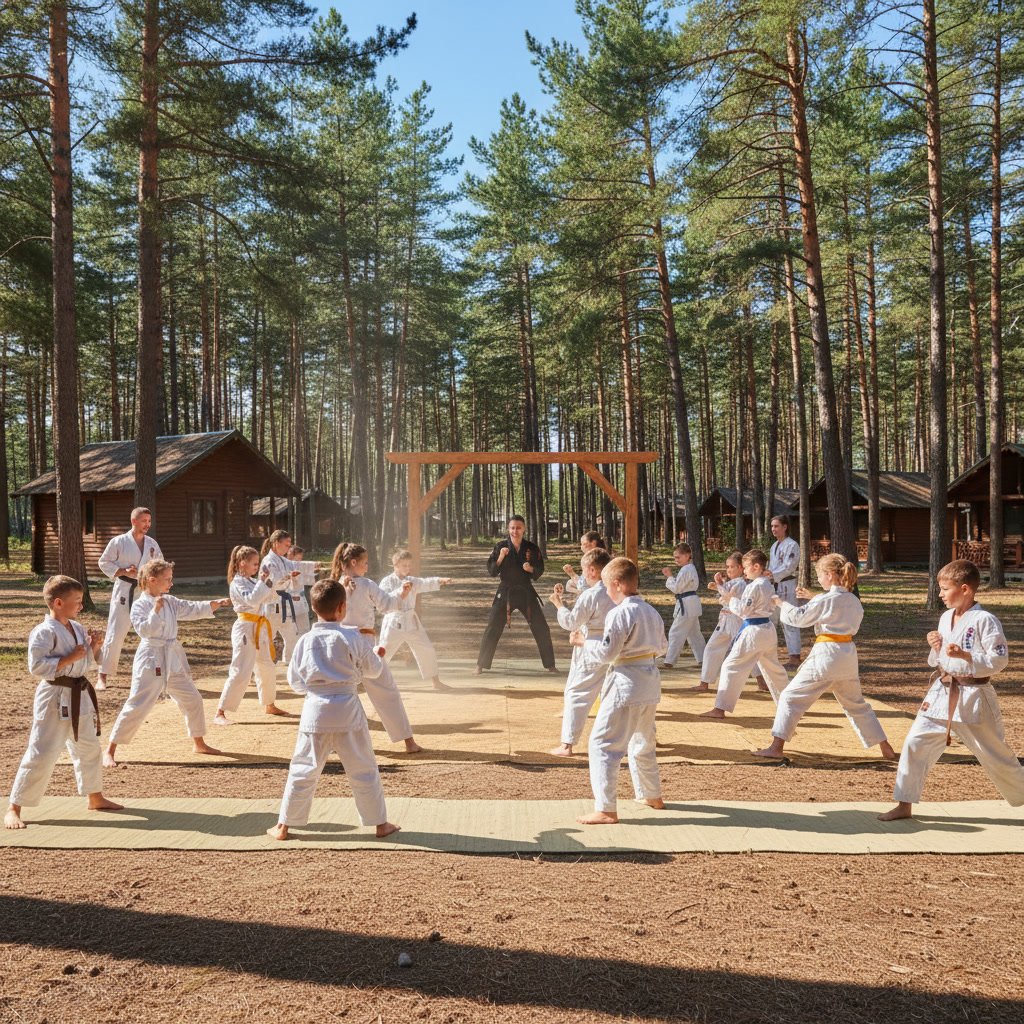
Young people face unique challenges in developing awareness because they’re still learning to read adult behavior and social situations. The after school program adapts awareness training to age-appropriate contexts, teaching children to recognize suspicious approaches, trust their feelings when adults make them uncomfortable, and respond assertively to boundary violations.

This foundation serves students throughout their lives. Research shows that predators select victims based on perceived vulnerability, often displayed through body language and awareness level. Children who walk with confidence and demonstrate environmental awareness statistically face fewer targeting attempts. These protective habits, when established early, become permanent characteristics rather than skills requiring conscious effort.
Integrating Multiple Martial Arts for Complete Threat Assessment
Different martial arts traditions offer distinct perspectives on threat recognition. Taekwondo emphasizes maintaining fighting distance and recognizing when opponents enter striking range. Hapkido teaches close-quarters awareness, identifying grab attempts and controlling balance shifts.
This multi-style approach appears in how complete self defense systems work for real world situations, where understanding various attack types improves overall recognition speed. A student who trains only in striking may miss the setup for a takedown. Someone who practices only grappling might not see a punch coming. Comprehensive training covers the full spectrum of potential threats.
The Role of Stress Inoculation in Maintaining Awareness
Awareness collapses under sudden stress unless you’ve trained to maintain it. The startle response narrows focus, floods the body with adrenaline, and impairs fine motor skills. This survival mechanism helped our ancestors escape predators but can paralyze modern self defense efforts.
Progressive stress exposure during training builds tolerance. Starting with simple observation exercises in calm settings, instruction gradually adds distractions, time pressure, and physical exertion. Students learn to scan their environment while exhausted from kickboxing rounds, maintaining awareness despite elevated heart rates and breathing. This trains the nervous system to function under the same conditions you’ll face in actual danger.
Common Awareness Mistakes That Compromise Your Safety
Even people who understand awareness principles often fall into predictable traps. Routine creates vulnerability. Taking the same route at the same time every day allows potential threats to predict your movements and prepare ambushes. Varying your patterns slightly makes targeting much harder.
Technology dependence blinds many people to their surroundings. Walking while staring at a phone signals distraction and vulnerability. Earbuds block auditory warning signs. The solution isn’t avoiding technology but establishing boundaries around when and where you allow it to consume your attention.
Normalcy bias prevents people from recognizing danger even when clearly present. The mind resists accepting that violence might occur, rationalizing warning signs instead of responding to them. Training helps overcome this by exposing students to scenarios that challenge their assumptions about safety.

How Environmental Design Affects Threat Recognition
Your ability to spot danger depends partly on the spaces you occupy. Well-lit areas with clear sight lines and multiple exits offer advantages. Isolated locations with concealment opportunities favor attackers. Understanding environmental factors helps you make better choices about where to go and when.
Crime Prevention Through Environmental Design principles identify features that increase or decrease risk. Parking near entrances and under lights reduces vulnerability. Avoiding areas with heavy vegetation next to walkways eliminates ambush points. These considerations become automatic after training emphasizes their importance.
This knowledge appears in discussions about what to practice first when starting self defense system training. Physical techniques matter, but awareness of when and where violence is likely prevents more confrontations than any strike or hold.
Turning Awareness Into Lifelong Protection Habits
The ultimate goal of awareness training is automation. Initially, maintaining vigilance requires conscious effort and mental energy. With consistent practice, environmental scanning becomes as automatic as checking mirrors while driving. You notice potential threats without draining your attention from normal activities.
This transformation takes time and repetition. Most students require six to eight months of regular training before awareness becomes truly habitual. The investment pays dividends across every aspect of life, from avoiding accidents to recognizing opportunities. Heightened awareness benefits extend far beyond self defense into general decision-making and situational judgment.
Jean’s Taekwondo INC builds these skills through every class, integrating mental and physical training into a unified system. Students learn that the best fight is the one you avoid entirely, and the best avoidance comes from seeing danger before it reaches you.
If you’re ready to develop the awareness skills that serve as your first and most important line of defense, reach out to discover how our training builds confidence through preparedness. Call +18635851952 or visit our contact page to schedule your first class and start building awareness that protects you everywhere you go.