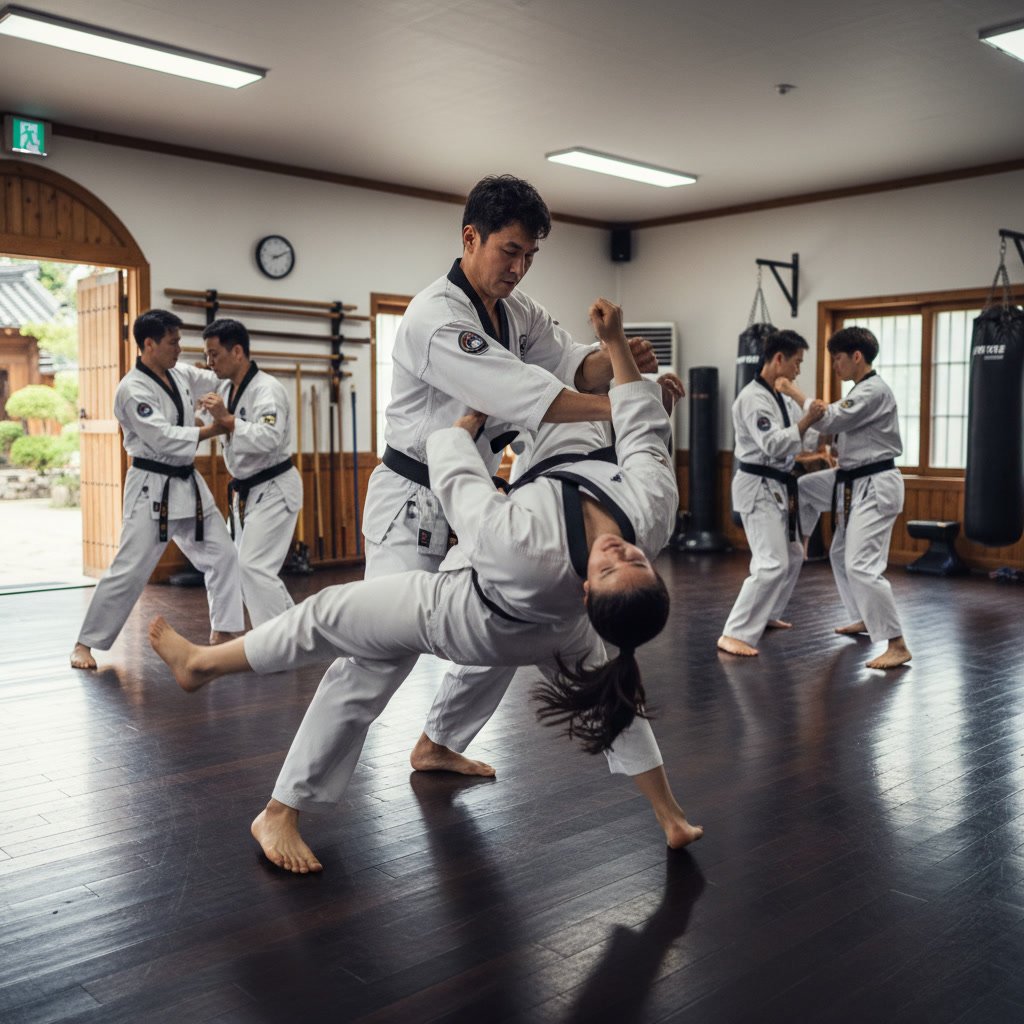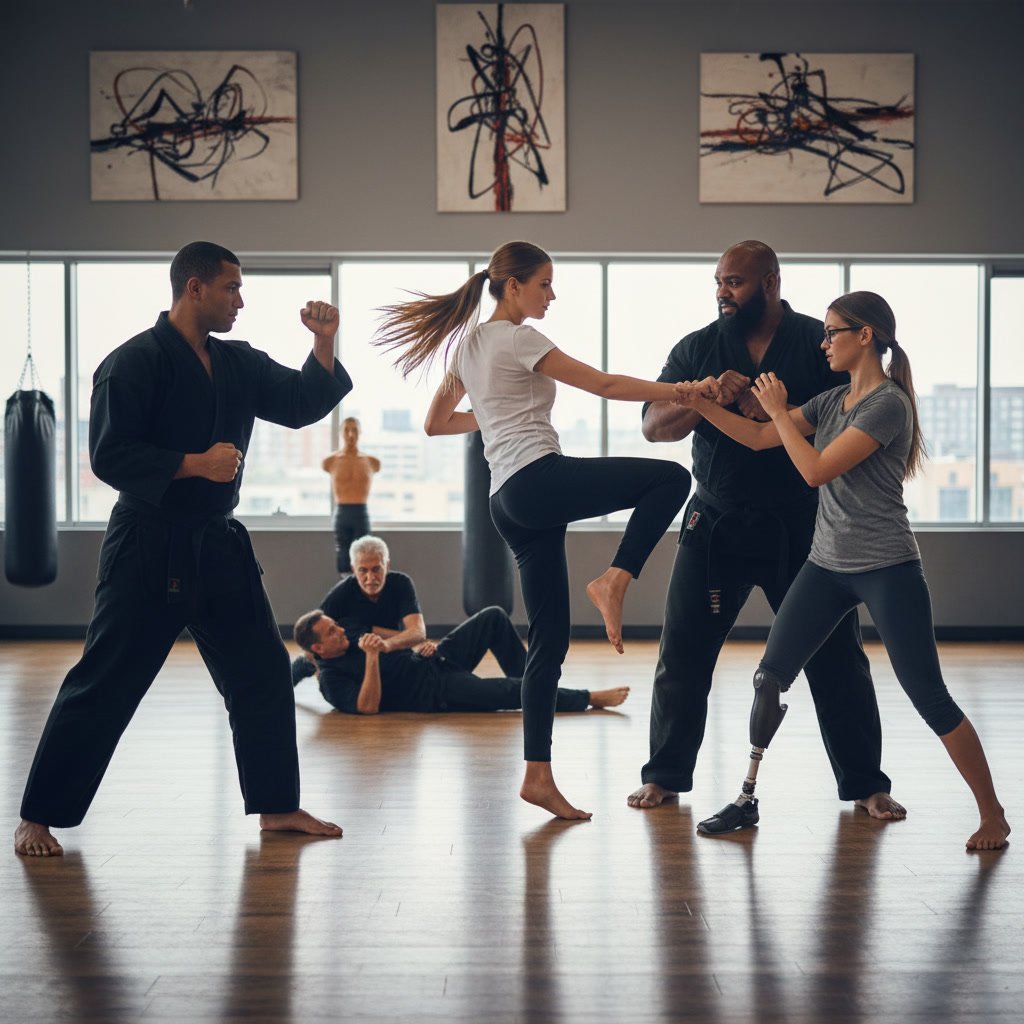
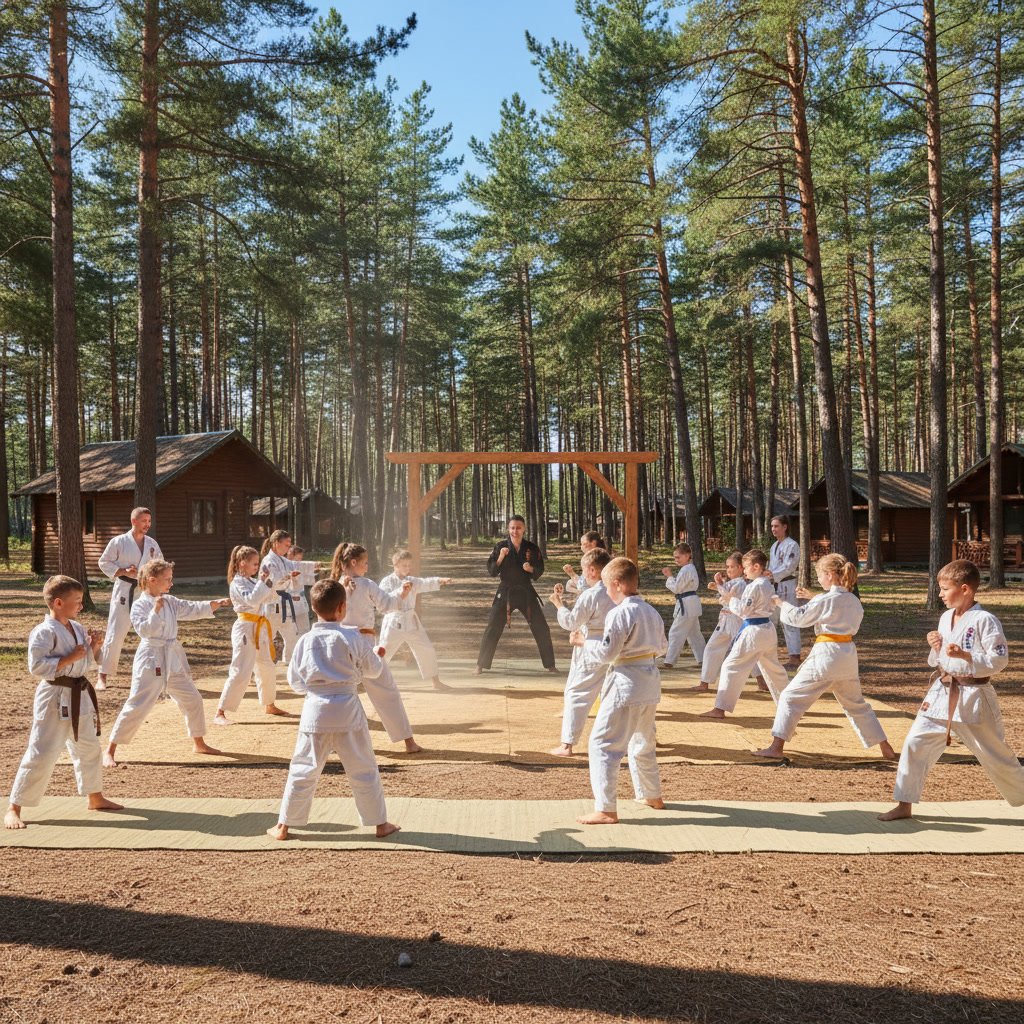
A summer camp martial arts program offers structured daily training combining physical fitness, discipline, and fun. Children progress through morning warm-ups, technique training, interactive games, and character development activities while building confidence and friendships in a safe, supervised environment. Parents can expect their children to engage in approximately six to eight hours of supervised programming that balances skill development with recreational activities.
Summer breaks present a challenge for working families who need quality daytime supervision. A martial arts focused camp solves this problem while giving children measurable skills they can take into the school year. Unlike traditional daycare settings, these programs integrate physical activity, mental focus, and social development into every hour of the day.
Why Martial Arts Training Works Well for Summer Programming
Martial arts instruction naturally divides into short, focused segments that match children’s attention spans during warm weather months. The dojo environment provides climate-controlled comfort while outdoor breaks offer fresh air between training blocks. This balance keeps energy levels high without the fatigue that comes from all-day outdoor exposure.
The structured nature of martial arts prevents the summer slide in discipline and routine. Children maintain a schedule similar to the school year, which research shows helps them transition back to academic settings more smoothly in the fall. Physical conditioning combats sedentary habits that develop during long vacation periods.
Belt ranking systems give campers concrete goals to work toward throughout the summer. Many students advance one or more belt levels during intensive summer training, creating visible progress that builds self-esteem. This achievement-based framework motivates consistent effort in ways that unstructured play cannot match.
Morning Check-In and Warm-Up Activities
The day typically begins between 7:30 and 9:00 AM with arrival and check-in. Instructors greet each child individually, establishing the respectful tone that carries through the entire day. Parents appreciate the flexible drop-off window that accommodates different work schedules.
Early arrivals engage in light activities like stretching, board games, or free play until the full group assembles. Once everyone arrives, the formal warm-up begins with exercises designed to elevate heart rate and prepare muscles for training. This includes jumping jacks, running in place, dynamic stretches, and basic calisthenics.
Instructors use this time to assess each child’s energy level and mindset. Students who seem tired or distracted receive extra attention to help them focus. The warm-up period builds group cohesion as children exercise together and encourage one another.
First Training Block: Fundamental Techniques
The first major instruction period runs approximately 60 to 90 minutes and focuses on core techniques appropriate to each student’s rank. Beginners work on basic stances, blocks, and punches while advanced students refine more complex combinations. Instructors often divide the group by skill level during this block to ensure appropriate challenge for all participants.
This session emphasizes proper form and muscle memory development. Students repeat movements dozens of times with instructor feedback on posture, hand position, and breathing. The repetitive nature builds the foundation that supports more advanced skills later in the summer.
Taekwondo techniques like front kicks, side kicks, and roundhouse kicks receive special attention during this block. Instructors use targets and pads to help students develop power and accuracy. The controlled environment allows children to strike with full force safely, releasing energy in a productive way.
Mid-Morning Break and Snack Time in Lakeland Programs
After intensive physical training, children need hydration and fuel. A 15 to 20 minute break allows students to drink water, eat a light snack, and rest their muscles. Many programs ask parents to pack healthy options like fruit, granola bars, or crackers rather than sugary treats that cause energy crashes.
Jean’s Taekwondo INC uses break time to reinforce nutrition education, discussing how proper fuel helps the body perform. This practical health lesson connects directly to the physical sensations children just experienced during training. Instructors supervise to ensure all students stay hydrated, especially during Florida’s hot summer months.
Social interaction flourishes during breaks as children bond over shared experiences. Friendships formed in Summer Camp Program activities often extend into the regular school year, creating a supportive peer network.
Second Training Block: Interactive Drills and Partner Work
The post-break session shifts to collaborative activities that require teamwork and communication. Partner drills teach children to work with others while practicing defensive and offensive techniques. One student might hold a target while another practices kicks, then they switch roles to ensure balanced development.
This training block incorporates elements from multiple disciplines. Kickboxing combinations add variety to traditional forms, while ground defense basics introduce concepts that build awareness. The diversity keeps children engaged and exposes them to the comprehensive nature of martial arts.
Instructors emphasize control and respect during partner work. Students learn to strike targets with appropriate force, never making contact with their training partner. This teaches the critical difference between practicing techniques and actual combat, a lesson that reinforces the defensive philosophy of martial arts training.
Lunchtime: Nutrition and Social Development
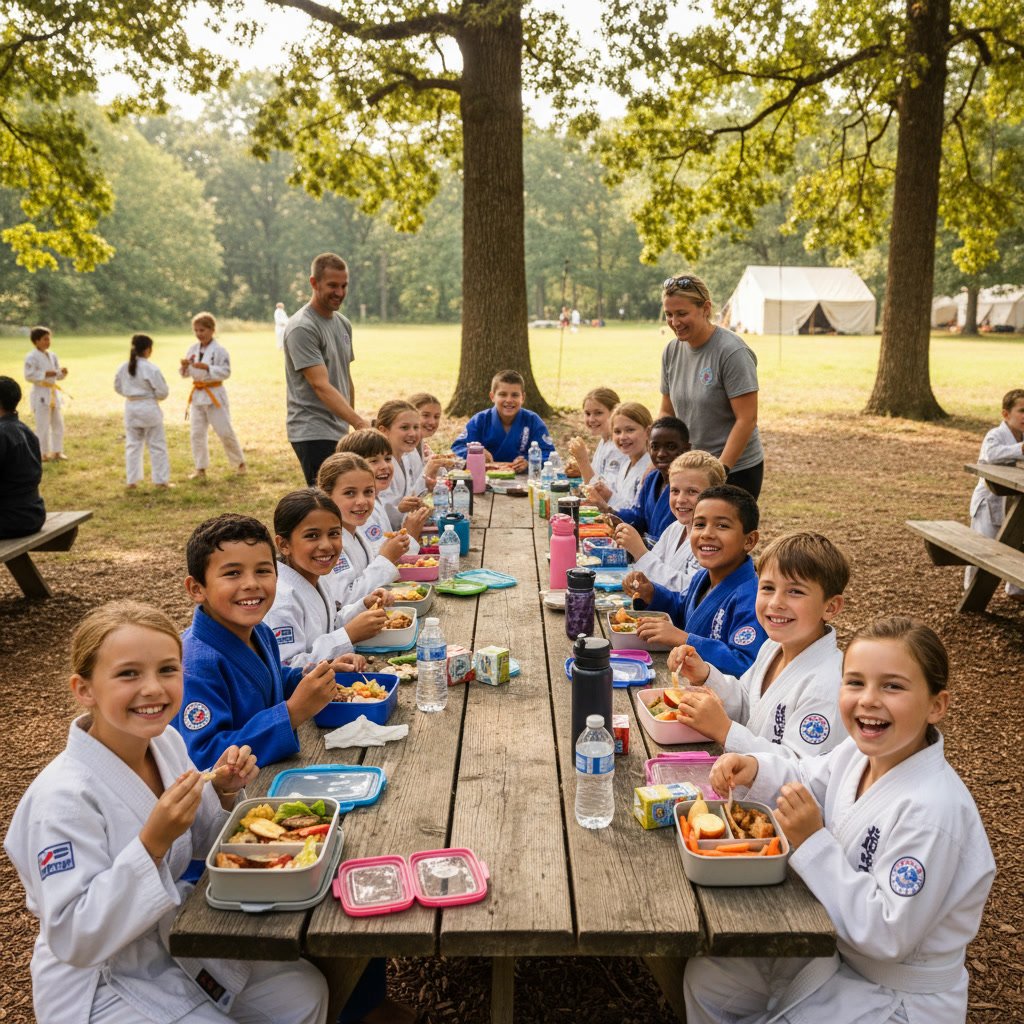
A supervised lunch period of 45 to 60 minutes gives children time to refuel and socialize. Most programs operate like a typical school lunch, with students bringing packed meals from home. Instructors sit with the children, modeling proper table manners and facilitating inclusive conversation.
This unstructured time serves important developmental purposes beyond nutrition. Children practice social skills like sharing, listening, and including others in conversation. Instructors gently guide interactions to prevent exclusion or conflicts, creating a supportive social environment.
Quiet activities follow lunch to allow digestion before resuming physical training. Reading, drawing, or educational videos about martial arts history and philosophy fill this transitional period. The mental break helps children return to afternoon training with renewed focus.
Afternoon Session: Forms, Patterns, and Creative Movement
Early afternoon training focuses on forms, the choreographed sequences of movements that demonstrate technique mastery. Students practice the forms appropriate to their current belt rank, with instructors providing detailed feedback on each position and transition. Memorizing and perfecting forms develops concentration, body awareness, and attention to detail.
Forms practice naturally integrates the morning’s technical work into flowing combinations. Children see how individual kicks, blocks, and strikes connect into complete self-defense sequences. This big-picture understanding deepens their appreciation for why each basic technique matters.
Creative elements enter the curriculum during this block as well. Students might choreograph their own short forms or adapt traditional patterns with personal flair. This artistic component engages children who respond more to creative expression than pure repetition, ensuring the program reaches different learning styles.
Physical Conditioning and Fitness Games
The program dedicates specific time to cardiovascular fitness and strength building through age-appropriate exercises. Push-ups, sit-ups, and planks develop core strength essential for powerful techniques. Relay races, obstacle courses, and martial arts themed games make conditioning fun rather than tedious.
Instructors track individual progress throughout the summer, celebrating improvements in endurance, strength, and flexibility. Children who could only complete five push-ups in week one often reach 20 or more by program’s end. These measurable gains give concrete evidence of growth that children can see and feel.
Fitness education accompanies the physical work. Instructors explain which muscle groups each exercise targets and why that matters for martial arts performance. This knowledge helps children understand their bodies and make connections between training and results, building self-defense capabilities grounded in physical reality.
Character Development: Building More Than Physical Skills
Every quality program includes dedicated time for character education. Daily themes might focus on respect, perseverance, honesty, self-control, or courage. Instructors present age-appropriate scenarios that illustrate each virtue, then lead discussions about how students can apply these principles at home and school.
Role-playing exercises make abstract concepts concrete. Children act out situations where they must choose between easy and right actions. Peer feedback during these exercises reinforces positive values as students recognize and praise good character in their friends.
The martial arts environment provides natural opportunities to practice these virtues. Students demonstrate respect by bowing to instructors and partners. They show perseverance by attempting difficult techniques repeatedly. They display self-control by managing frustration when skills don’t come easily. These aren’t lectures about character but lived experiences that shape behavior.
Day-by-Day Progression Through a Typical Week
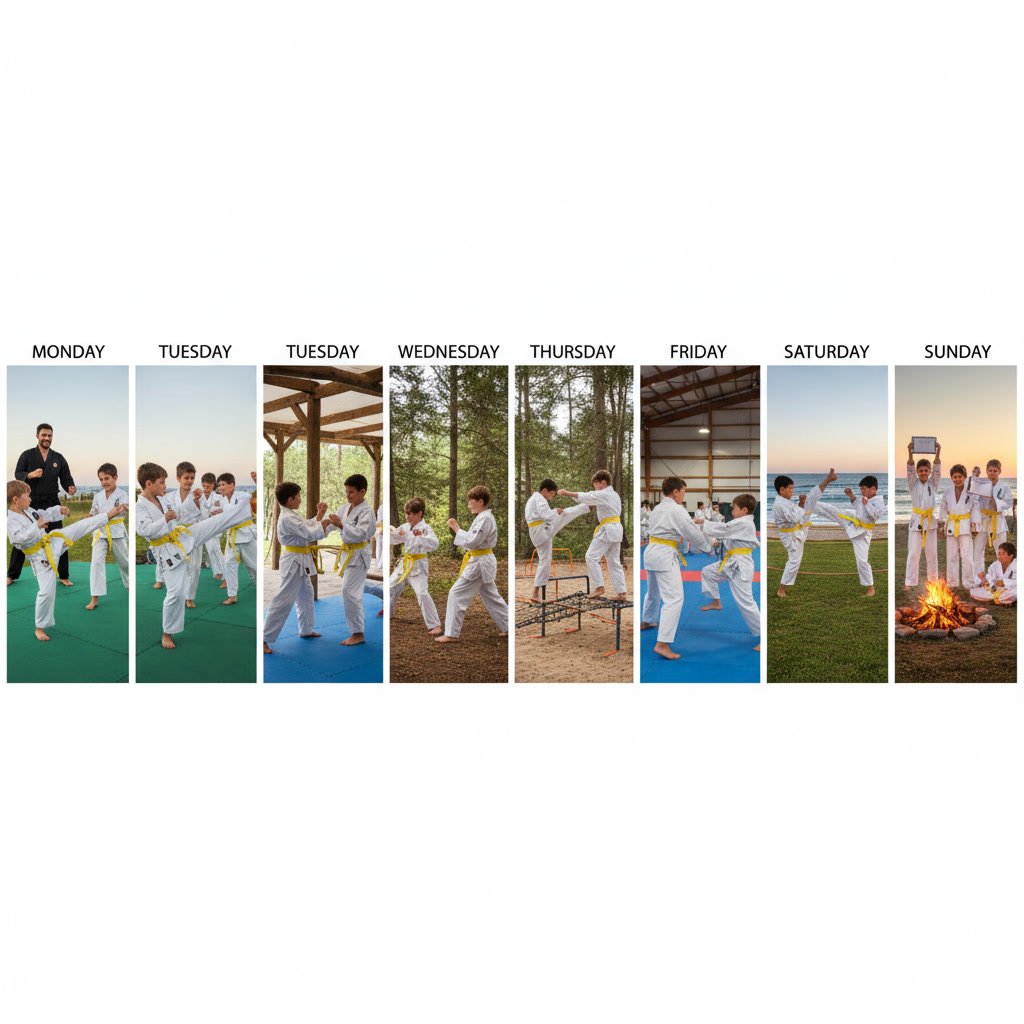
Monday typically introduces the week’s technical focus, whether specific kicks, defensive moves, or form elements. Instructors demonstrate techniques slowly and break them into component parts. Students attempt basic execution without worrying about perfection.
Tuesday builds on Monday’s foundation with repetition and refinement. Instructors correct common errors and students begin developing muscle memory. Partner drills introduce the techniques in interactive contexts rather than solo practice.
Wednesday often incorporates testing or demonstration elements. Students show what they’ve learned to the group, building confidence in performing under observation. Peer encouragement during these demonstrations strengthens group bonds.
Thursday adds complexity by combining the week’s techniques with previously learned skills. Students practice flowing from one move to another, developing the timing and transitions that characterize advanced martial arts. The increased difficulty challenges growth while remaining achievable.
Friday serves as review and celebration. Students demonstrate the full week’s curriculum and often participate in fun competitions or games that apply their new skills. The week ends on a high note that motivates continued practice and builds excitement for the following week.
End-of-Day Cool Down and Parent Pickup
The final 30 minutes focus on cooling down and transitioning from training mode to home life. Light stretching prevents muscle soreness and promotes flexibility. Breathing exercises calm excited energy and teach stress management techniques children can use outside the dojo.
Instructors gather students for a brief reflection on the day’s activities. Children share their favorite moments or new skills they’re proud of mastering. This reflection reinforces learning and helps instructors assess what resonated most with each student.
Parents appreciate pickup routines that include brief updates on their child’s progress. Instructors might mention specific achievements or areas where a student showed particular effort. This communication builds parent confidence in the program and helps families support continued development at home. Flexible pickup windows between 4:00 and 6:00 PM accommodate varied work schedules while maintaining supervision until every child departs safely.
Creating Summer Memories That Build Lifelong Skills
The daily structure of a martial arts summer program creates an environment where children thrive physically, mentally, and socially. Each day balances intensive skill development with play and rest, ensuring children stay engaged without burning out. The progression from basic techniques to complex applications mirrors how children naturally learn, building confidence through achievable challenges.
Parents gain peace of mind knowing their children spend summer days in a supervised, enriching environment rather than in front of screens. Children develop discipline, respect, and physical fitness while making friends and having fun. These outcomes extend far beyond summer vacation, creating habits and skills that serve children throughout their lives.
If you’re looking for a summer program that keeps your child active, engaged, and growing, Jean’s Taekwondo INC offers comprehensive martial arts training in a supportive environment. Programs serve families throughout the Winter Haven area with flexible schedules designed for working parents. Call +18635851952 to learn about enrollment for this summer or visit to tour the facility and meet the instructors who will guide your child’s development.